
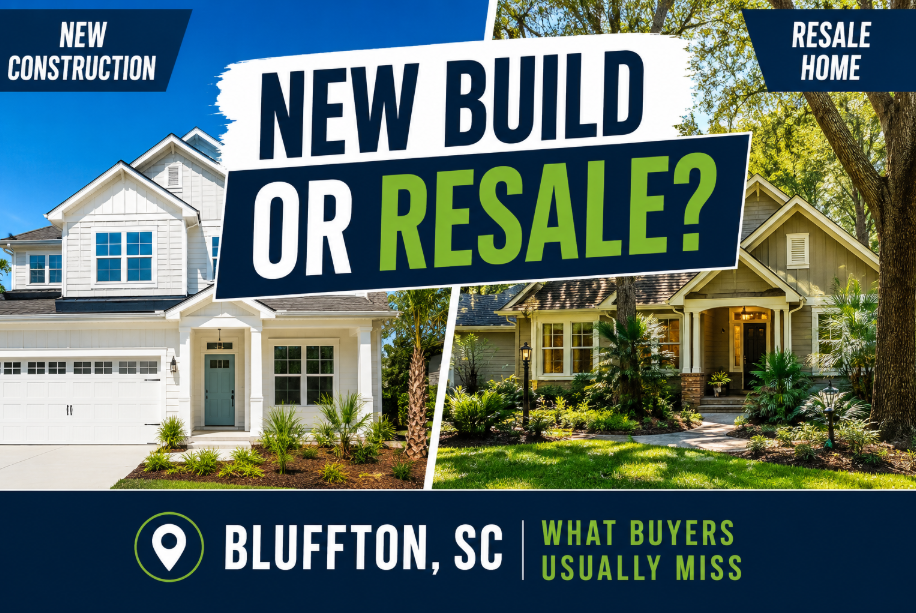
New Construction vs Resale in Bluffton: What Buyers Usually Miss
New Construction vs Resale in Bluffton: What Buyers Usually Miss
A lot of Bluffton buyers start this comparison in the wrong place.
They look at a brand-new home and an existing resale home, compare the square footage, compare the list price, and assume the better choice should be obvious. But in Bluffton, new construction and resale are not just two versions of the same purchase. They can create completely different decisions around location, timing, incentives, upgrades, lot quality, HOA structure, long-term value, and how the home actually lives day to day.
That is where buyers usually miss the real comparison.
A new home may look easier because everything is clean, modern, and unused. A resale home may look less exciting online because it already has someone else's paint colors, furniture, landscaping, or floor plan choices. But the right answer is not automatically "new is better" or "resale is a better deal." The better question is what the buyer is really getting after the incentives, upgrades, location, timeline, and neighborhood maturity are all factored in.
The List Price Is Not the Real Comparison
With new construction, the advertised price is often just the beginning of the conversation. A buyer may still need to think through lot premiums, structural options, design upgrades, appliance packages, window treatments, fencing, gutters, screened porches, landscaping, refrigerator, washer, dryer, blinds, and other items that may or may not be included depending on the builder and the specific home.
That does not mean new construction is a bad deal. It means the buyer needs to compare the real finished cost against the resale home, not just the starting price.
A resale home may already include things that a new construction buyer has to add later. Mature landscaping, window coverings, refrigerator, washer, dryer, fencing, screened porch, upgraded lighting, custom closets, garage storage, irrigation, and other everyday items can matter more than buyers expect. They may not feel exciting during the showing, but they affect the actual cost of living in the home.
The mistake is comparing a builder's base price against a resale home that is already fully functional.
The better comparison is this: what will each home cost by the time it is move-in ready the way the buyer actually wants to use it?
Builder Incentives Can Help, But Buyers Need to Understand What They Are Trading
One of the biggest advantages of new construction is that builders can sometimes offer incentives that individual resale sellers cannot easily match. That may include closing cost assistance, preferred lender credits, rate buydown options, design center promotions, appliance packages, or discounts on certain move-in-ready homes.
Those incentives can be valuable, especially for buyers who care about monthly payment, cash to close, or getting into a home with fewer upfront repairs. But buyers should not stop at the headline incentive.
The real question is whether the incentive improves the deal after the full purchase price, loan terms, upgrades, taxes, HOA fees, insurance, and long-term resale position are considered.
For example, a rate buydown may make the payment feel better in the short term. A closing cost credit may help preserve cash. A quick move-in discount may make a builder home more competitive. But if the home is still more expensive than a comparable resale, or if the buyer has to spend heavily after closing to finish the home, the incentive may not be as strong as it looks.
This is where buyers need to slow down.
An incentive is not automatically a discount. Sometimes it is a real advantage. Sometimes it is a financing tool. Sometimes it is built into the pricing. The buyer needs to understand the whole deal, not just the promotion.
Resale Homes Often Have a Location Advantage
In Bluffton, many established resale communities have something new construction cannot create overnight: location maturity.
Some resale homes sit in neighborhoods with finished amenities, established streets, mature trees, known traffic patterns, completed phases, and a clearer sense of what the community actually feels like. Buyers can see the neighbors, the landscaping, the road noise, the shade, the parking habits, the pool area, the clubhouse condition, and the real daily rhythm of the neighborhood.
That matters.
A new construction community may be beautiful, but the buyer may still be purchasing into a neighborhood that is actively changing. There may be construction traffic, future phases, changing amenity timelines, unfinished roads, unknown future inventory, and builder-controlled pricing that can affect resale competition.
Again, that does not make new construction wrong. It just changes the decision.
Some buyers love being early in a newer community. They want the newest floor plans, fresh amenities, builder warranty, modern finishes, and a home that feels untouched. Other buyers would rather be in a neighborhood where the trees are grown in, the HOA is more settled, and the area already feels complete.
That is a lifestyle decision as much as a financial one.
New Construction Can Compete Against Your Resale Later
This is one of the things buyers miss the most.
When you buy in an active new construction community, your future competition may not only be other homeowners. It may be the builder.
If you need to sell while the builder still has new homes available, your resale home may have to compete against fresh inventory, builder incentives, preferred lender offers, new warranties, model-home marketing, and brand-new finishes. That can affect how buyers see your home, especially if your home is only a few years old and does not feel dramatically different from the next new home down the street.
A resale home in a more established community can face competition too, but the competition is usually more normal. Buyers compare condition, price, location, lot, floor plan, updates, and community appeal. In a still-building neighborhood, the resale seller may also have to compete with the builder's ability to adjust incentives quickly.
For a buyer who plans to hold long term, this may not matter as much. But for a buyer who may move again in three to five years, it matters a lot.
The question is not just, "Do I like the home today?"
The question is, "If I had to sell this before the neighborhood is fully built out, what would I be competing against?"
Resale Condition Can Be a Strength or a Problem
Resale homes are not automatically better just because they may be in established locations.
A resale home can come with older systems, dated finishes, worn flooring, roof age, HVAC age, older appliances, deferred maintenance, layout issues, or seller pricing that does not match the current condition. Some sellers price their home as if buyers will ignore the age of the home because the neighborhood is desirable. Buyers usually do not ignore it.
That is where resale needs to be evaluated honestly.
A well-maintained resale home with meaningful updates, a strong lot, a practical floor plan, and a good community setting can be a very strong option. A tired resale home priced too close to new construction may struggle because buyers can see the gap immediately.
This is especially true in Bluffton because buyers often have choices. They may compare an older home in a finished neighborhood against a new home with a warranty, fresh finishes, and builder incentives. If the resale home does not justify its price through location, lot, condition, size, privacy, updates, or community maturity, buyers may lean toward new construction.
The resale home has to win on something real.
The Lot May Matter More Than the Finishes
New construction buyers often focus heavily on the floor plan and finishes. That makes sense because the model homes are designed to make the interior feel easy. But in Bluffton, the lot can be a major part of the long-term decision.
A larger lot, wooded view, lagoon view, corner position, cul-de-sac setting, privacy buffer, driveway position, sun exposure, and distance from main roads can all affect how the home feels after closing.
Resale homes sometimes have better lots simply because earlier phases of communities may have had different land plans, larger homesites, or more established natural buffers. New construction may still offer good lots, but the buyer has to understand what is included, what costs extra, and what future construction may happen nearby.
A beautiful kitchen is easy to notice.
A better lot is sometimes easier to underappreciate until after you live there.
Timeline Can Make or Break the Decision
A buyer who needs to move quickly may not have the same options as a buyer who can wait.
A resale home usually gives the buyer a clearer closing timeline. The home is already built. Inspections can happen quickly. The buyer can see the actual condition. There may still be negotiation, repairs, and appraisal questions, but the house exists as it is.
New construction can be different depending on whether the home is already complete, under construction, or still to-be-built. A quick move-in home may offer speed and incentives. A to-be-built home may offer more personalization, but the buyer has to be comfortable with the construction timeline, design decisions, possible delays, and the fact that the final home may feel different from the model.
That timeline matters for relocation buyers, retirees, families trying to sell another home, and buyers coordinating jobs, schools, leases, or moving logistics.
The best choice is not only about the home. It is also about whether the timing works.
HOA and Community Structure Should Not Be an Afterthought
Bluffton buyers should pay attention to the HOA or community structure on both new construction and resale homes.
In a newer community, buyers should understand what is already complete, what is planned, how long the builder may remain involved, what amenities are promised, what the HOA fees cover, and whether future phases may change the feel of the neighborhood.
In a resale community, buyers should review the current HOA fees, rules, architectural guidelines, rental rules if relevant, maintenance expectations, reserve strength if available, and whether the community has upcoming projects or known concerns.
A home can look great online and still be a poor fit if the community rules do not match how the buyer plans to live.
This is especially important for buyers coming from out of state. Rules around fences, sheds, boats, RVs, rentals, exterior changes, landscaping, parking, and architectural approvals can vary from one community to another. The buyer should not assume one Bluffton neighborhood works like another.
The Right Choice Depends on the Buyer's Real Priorities
New construction tends to make sense for buyers who value modern floor plans, builder warranty, clean finishes, energy-efficient systems, fewer immediate repairs, and the ability to choose or benefit from builder incentives. It can be a strong option for buyers who want a fresh start and are comfortable with the specific community, timeline, and long-term resale competition.
Resale tends to make sense for buyers who value established neighborhoods, mature landscaping, stronger location control, known community feel, finished improvements, and the ability to see exactly what they are buying. It can be a strong option when the home has been maintained well, priced correctly, and offers a lot, location, or community setting that new construction cannot easily duplicate.
The mistake is choosing based on age alone.
A new home can be the better deal. A resale home can be the better deal. The winner depends on the full comparison: price, incentives, upgrades, lot, condition, HOA, timing, location, community maturity, and future resale position.
The Bottom Line for Bluffton Buyers
Bluffton gives buyers a lot of different ownership choices. That is a good thing, but it also means buyers need to compare carefully.
Do not compare new construction and resale only by list price.
Compare the finished cost.
Compare the lot.
Compare the location.
Compare the timeline.
Compare the HOA and community structure.
Compare what you may have to spend after closing.
And most importantly, compare what the home will feel like to own, not just what it looks like during the showing.
That is where the better decision usually becomes clear.
If you are comparing new construction and resale homes in Bluffton, I can help you look past the surface and compare the actual properties, not just the marketing.
 FAQ: New Construction vs Resale in Bluffton
Is new construction always more expensive than resale in Bluffton?
Not always. New construction may come with builder incentives, closing cost help, rate buydown options, or discounts on certain homes. But buyers should compare the full finished cost, including upgrades, lot premiums, appliances, window treatments, fencing, landscaping, and anything else needed after closing.
Why would a buyer choose resale instead of a brand-new home?
A resale home may offer a more established location, mature landscaping, a larger or better-positioned lot, completed community amenities, and improvements that are already in place. A well-maintained resale home can be very competitive when the price, condition, and location make sense.
What is the biggest mistake buyers make with builder incentives?
The biggest mistake is treating the incentive like free money without looking at the full deal. Buyers should review the purchase price, loan terms, lender requirements, upgrade costs, and long-term payment before deciding how valuable the incentive really is.
Can a resale home compete with new construction?
Yes, but it has to compete honestly. A resale home usually needs to win through location, lot quality, condition, updates, neighborhood maturity, price, or convenience. If a dated resale home is priced too close to a new home with incentives, buyers may choose the new option.
Should I use my own agent when buying new construction in Bluffton?
Yes. The builder's sales representative works for the builder. A buyer should have someone helping them compare the home, the contract, the incentives, the lot, the timeline, the upgrades, the resale competition, and the alternatives in the broader Bluffton market.
Categories
- All Blogs (108)
- Hilton Head Condo Buyer Strategy (7)
- Beach Access & Coastal Ownership (1)
- Bluffton & Lowcountry Living (2)
- Bluffton Buyer / Seller / Comparison Topics (2)
- Bluffton Communities and Relocation (4)
- Bluffton Real Estate (8)
- Bluffton Real Estate / Relocation Guide (2)
- Buyer Advice (1)
- Buyer Guides (1)
- Costs, Fees, Insurance, Financing, and Due Diligence (1)
- Golf / Private Club / Gated Community Living (1)
- Golf / Private Club Communities (1)
- Hilton Head & Bluffton Buyer Strategy (1)
- Hilton Head Area Comparisons (1)
- Hilton Head Communities (4)
- Hilton Head Communities & Area Guides (11)
- Hilton Head Condo Buyer Guide (9)
- Hilton Head Condo Market Updates (1)
- Hilton Head Condo Seller Strategy (1)
- Hilton Head Condos & Villas (14)
- Hilton Head Homes (1)
- Hilton Head Homes + Island Living (2)
- Hilton Head Homes and Island Living (1)
- Hilton Head Real Estate (1)
- Hilton Head Seller Strategy (8)
- Hilton Head Short-Term Rental + Investment Guide (1)
- Hilton Head vs Bluffton (1)
- Hilton Head vs Bluffton / Relocation (3)
- Lowcountry Homeownership (1)
- Market Reports & Trends (4)
- Relocation and Retirement (1)
- Retirement & Relocation (1)
- Retirement and 55+ Communities (1)
- Retirement and Relocation (2)
- Retirement, 55+ & Private Club Living (3)
- Seller Strategy and Valuation (1)
- Short-Term Rentals & Investment (3)
Recent Posts
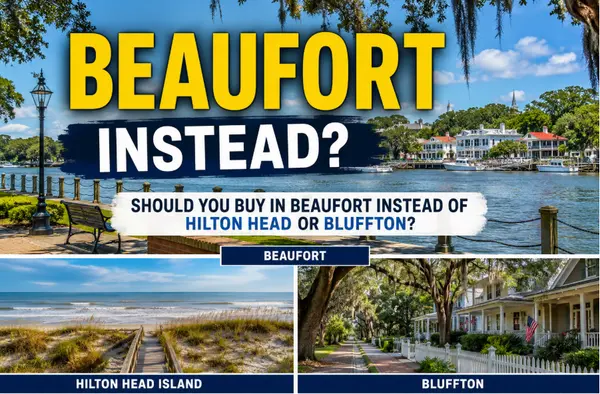
Should You Buy in Beaufort Instead of Hilton Head or Bluffton?
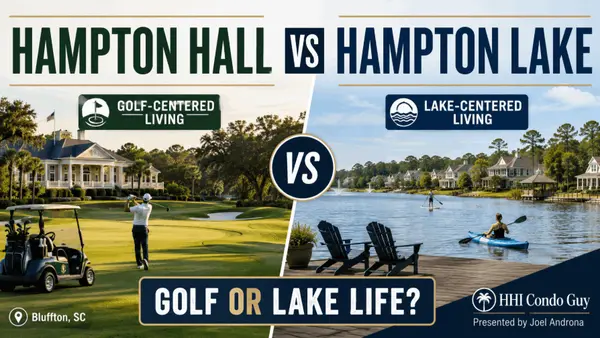
Hampton Hall vs Hampton Lake: Golf-Centered or Lake-Centered Living?
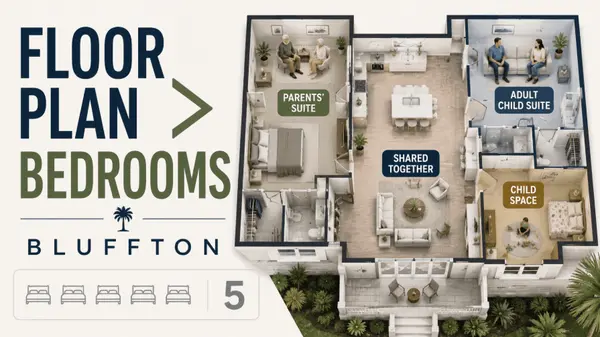
Multigenerational Living in Bluffton: The Floor Plan Matters More Than the Bedroom Count
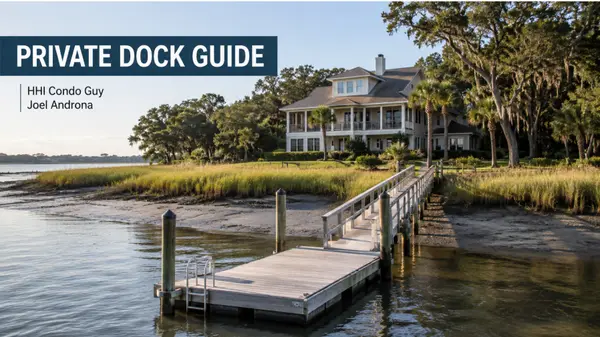
Buying a Lowcountry Home With a Private Dock: What Buyers Need to Verify
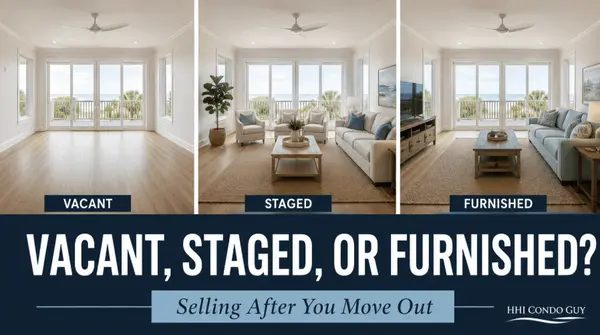
Selling After You Move Out: Vacant, Staged, or Left Furnished?
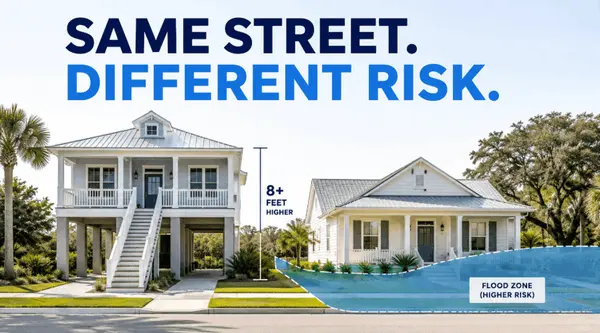
Flood Zone, Elevation, and Insurance: Why the House Next Door Can Carry a Different Risk
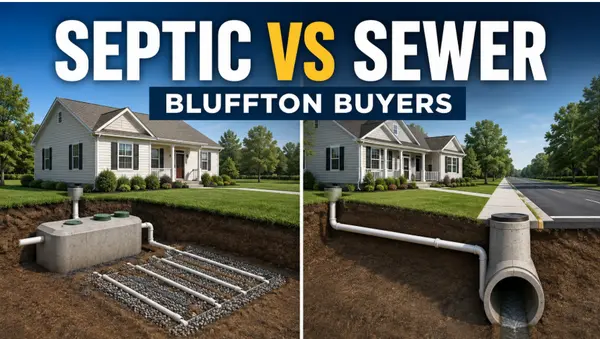
Septic vs Sewer in Bluffton and the Lowcountry: What Changes for the Buyer?
Buying a Stucco Home in the Lowcountry: What Buyers Should Investigate
Private Pool vs Community Pool: What Bluffton Buyers Are Really Choosing

Buying a Golf-Course Home When You Do Not Actually Golf