The Real Reason Buyers Walk Away From Hilton Head Condos
 The Real Reason Buyers Walk Away From Hilton Head Condos
Hilton Head condo buyers do not usually walk away because they suddenly stop liking the beach, the view, the location, or the idea of owning a place on the island.
They usually walk away because the deal stops feeling safe.
That is the real issue.
A buyer can love a Hilton Head condo online, love it in person, and even feel good enough to write an offer. But once the due diligence starts, the emotional part of the purchase starts competing with the practical part: monthly costs, regime documents, insurance, assessments, financing, rental rules, rental history, building condition, and whether the property actually fits the way they plan to use it.
That is where a lot of Hilton Head condo deals get fragile.
The Walkaway Usually Happens After the Offer
Most buyers do not discover the hard questions during the showing.
They discover them after the offer is accepted.
That is when the buyer starts looking beyond the photos and asking better questions. What exactly is included in the regime fee? Is there an upcoming assessment? Is the building properly insured? Are there rental restrictions? Does the lender like the condo project? Is the rental history strong enough after expenses? Is the beach route as convenient as it sounded? Are there repairs coming that were not obvious during the showing?
This matters because Hilton Head condos are not just individual units. The building, the regime, the rules, the budget, the insurance structure, and the location all become part of the product.
A buyer may love the unit itself and still walk away if the rest of the package creates too much uncertainty.
The Monthly Cost Starts to Feel Different
The first major reality check is usually the carrying cost.
Many out-of-market buyers focus on the purchase price first. That makes sense. But with Hilton Head condos, the monthly cost can change the way the purchase feels very quickly.
A condo buyer may need to consider the mortgage payment, taxes, insurance, regime or HOA fees, utilities, management fees, repairs, furnishing costs, rental commissions, booking platform fees, cleaning costs, owner stays, maintenance reserves, and possible assessments.
Condo and HOA dues are usually paid separately from the mortgage payment, so buyers need to factor those costs into affordability directly.
That is where buyers can get uncomfortable.
A condo that looked affordable based on purchase price may feel much tighter once the buyer sees the full monthly obligation. This is especially true for second-home buyers and investors who were hoping rental income would offset more of the cost than it realistically will.
Regime Fees Are Not the Problem by Themselves
A lot of buyers react negatively to Hilton Head condo fees, but the fee itself is not always the problem.
The real question is what the fee covers and whether the building is being properly maintained.
A higher regime fee can make sense if it supports strong insurance coverage, exterior maintenance, reserves, amenities, landscaping, pest control, trash, cable, internet, water, security, pool maintenance, elevators, or other building needs. A lower fee can look attractive at first, but if the association is underfunded, behind on maintenance, or likely to need a special assessment, that lower fee may not be the bargain it appears to be.
This is where sellers sometimes lose buyers.
If a buyer cannot understand the fee, does not trust the budget, or sees signs of deferred maintenance, the conversation shifts from “Do I like this condo?” to “What am I walking into?”
That shift can kill the deal.
Building Health Can Scare Buyers More Than Unit Condition
A renovated kitchen does not fix a weak condo regime.
That is one of the biggest Hilton Head condo lessons buyers learn during due diligence. A unit can show beautifully, but if the building has insurance concerns, reserve questions, exterior issues, roof concerns, balcony work, elevator problems, litigation, deferred maintenance, or unclear assessment exposure, buyers may hesitate.
Lenders care about this too. With condos, the lender may review the project’s budget, reserves, insurance, litigation status, delinquency levels, assessments, and overall project eligibility before approving the loan.
That matters on Hilton Head because many condo buildings are older, coastal, and exposed to higher maintenance demands than buyers may be used to in inland markets.
A buyer may be fine with an older building if it is well run, well maintained, and transparent. But if the documents raise more questions than answers, the buyer may decide the risk is not worth it.
Financing Can Change the Whole Deal
Some buyers assume condo financing works just like buying a single-family home.
It does not always work that way.
With condos, the lender may care not only about the buyer’s income, credit, and down payment, but also about the condo project itself. The association, budget, insurance, litigation status, owner-occupancy mix, assessments, reserves, and project structure can all become part of the lending conversation.
That is one reason buyers sometimes walk away even when they still like the property. The lender may require more documentation, the loan may become more complicated, or the buyer may realize the property does not fit their financing plan.
Cash buyers have more flexibility, but they still usually care about the same issues. They may not need lender approval, but they still need to decide whether the building, budget, rules, and long-term costs make sense.
Rental Expectations Often Break the Deal
A lot of Hilton Head condo buyers are not buying purely for personal use.
They want a place they can enjoy and rent when they are not using it. That can be a smart goal for the right property, but the numbers need to be reviewed carefully.
Hilton Head short-term rentals are regulated by the Town when privately owned residential property is used as a vacation home or short-term rental for rental periods of fewer than 30 days. A short-term rental permit is also separate from the annual business license.
That is only one layer. Buyers also need to verify the condo regime rules, POA rules, rental minimums, pet rules, parking limits, occupancy limits, management requirements, taxes, insurance, and actual rental history.
This is where weak assumptions cause problems.
A buyer may hear “great rental potential” and assume the condo will carry itself. But once they review gross rental income versus net income, management fees, cleaning, repairs, owner use, seasonal swings, furnishings, permit costs, taxes, insurance, regime fees, and future capital needs, the investment may look different.
That does not mean Hilton Head condos are bad investments. It means buyers need realistic underwriting.
The buyers who walk away are often not rejecting the island. They are rejecting a number that no longer makes sense.
Beach Access and View Expectations Have to Hold Up
Hilton Head condo buyers care about location, but they care about the real version of the location.
There is a big difference between oceanfront, ocean view, near-ocean, walk-to-beach, bike-to-beach, beach-oriented, and drive-to-beach. Those words matter.
A buyer may walk away if the marketing made the beach access feel easier than it really is. They may also lose confidence if the view is overstated, the beach route is awkward, parking is limited, or the property depends too heavily on public access instead of practical owner or guest convenience.
This is especially important because beach logistics change the ownership experience. If the property is truly walkable to the beach, that is a major advantage. If it is not, the buyer needs to understand the real logistics before they commit.
Overstating beach convenience is one of the fastest ways to create buyer distrust.
Older Condos Need More Explanation, Not More Hype
Hilton Head has a lot of older condo inventory.
That is not automatically bad. Some older condo communities have excellent locations, strong rental demand, loyal repeat guests, mature landscaping, established ownership, and better beach positioning than newer options could ever recreate.
But older buildings need the right explanation.
Buyers want to know what has been updated, what still needs attention, what the association has already handled, what projects may be coming, and whether the property is priced correctly against its condition and risk.
A dated condo can still sell if the price, location, regime health, and buyer expectations line up. A renovated condo can still sit if the building creates unanswered questions.
That is why sellers need to think beyond paint, furniture, and photos.
The stronger the buyer’s confidence in the building, the easier it is for them to stay committed.
Sellers Lose Buyers When the Buyer Finds the Problem First
From a seller’s perspective, the biggest mistake is waiting for the buyer to discover the objections.
If the regime fee is high, explain what it covers.
If there was an assessment, explain whether it has been paid, what it funded, and what work was completed.
If the building has upcoming projects, get the current information before the listing goes live.
If rental history is part of the appeal, present it carefully and honestly.
If the condo is not truly oceanfront, do not market it like it is.
If the property is better for personal use than investment, do not force an investment angle.
The goal is not to scare buyers. The goal is to remove uncertainty before it becomes a reason to walk away.
Hilton Head condo buyers can handle tradeoffs. They just do not like surprises.
Buyers Should Verify Before They Fall in Love
For buyers, the lesson is simple: do not judge a Hilton Head condo only by the photos, furniture, view, and location.
Those things matter, but they are only the starting point.
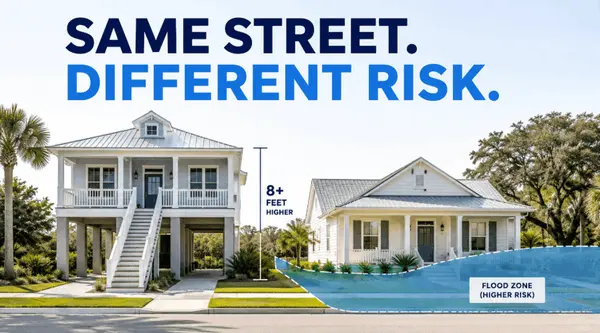
Before fully committing, buyers should verify the regime fee, what the fee covers, insurance structure, reserves, special assessments, rental rules, pet rules, parking, financing eligibility, building condition, flood exposure, rental history, management costs, Town STR requirements, POA rules, and the actual beach route.
A Hilton Head condo can be a great second home, rental property, vacation base, or long-term lifestyle purchase. But the right condo has to match the buyer’s real use case.
Personal-use buyers, rental investors, beach-first buyers, retirement buyers, and lock-and-leave second-home buyers do not all need the same property.
That is why good guidance matters.
The right question is not just, “Do you like this condo?”
The better question is, “Does this condo still make sense after you understand the full cost, rules, building, location, and risk?”

The Bottom Line
The real reason buyers walk away from Hilton Head condos is not always price.
It is confidence.
They walk away when the condo no longer feels clear, safe, financeable, rentable, maintainable, or aligned with how they plan to use it.
For buyers, that means due diligence matters more than emotion.
For sellers, it means the best marketing is not just pretty photos. It is clear positioning, clean documentation, realistic pricing, and fewer surprises.
Hilton Head condos can still be excellent properties for the right buyer. But the deal has to hold up after the pretty part is over.
If you are buying or selling a Hilton Head condo, the details matter: regime fees, rental rules, insurance, assessments, building condition, beach access, and how the property compares to real competition.
That is where a local condo-focused advisor can make the difference.
Categories
- All Blogs (108)
- Hilton Head Condo Buyer Strategy (7)
- Beach Access & Coastal Ownership (1)
- Bluffton & Lowcountry Living (2)
- Bluffton Buyer / Seller / Comparison Topics (2)
- Bluffton Communities and Relocation (4)
- Bluffton Real Estate (8)
- Bluffton Real Estate / Relocation Guide (2)
- Buyer Advice (1)
- Buyer Guides (1)
- Costs, Fees, Insurance, Financing, and Due Diligence (1)
- Golf / Private Club / Gated Community Living (1)
- Golf / Private Club Communities (1)
- Hilton Head & Bluffton Buyer Strategy (1)
- Hilton Head Area Comparisons (1)
- Hilton Head Communities (4)
- Hilton Head Communities & Area Guides (11)
- Hilton Head Condo Buyer Guide (9)
- Hilton Head Condo Market Updates (1)
- Hilton Head Condo Seller Strategy (1)
- Hilton Head Condos & Villas (14)
- Hilton Head Homes (1)
- Hilton Head Homes + Island Living (2)
- Hilton Head Homes and Island Living (1)
- Hilton Head Real Estate (1)
- Hilton Head Seller Strategy (8)
- Hilton Head Short-Term Rental + Investment Guide (1)
- Hilton Head vs Bluffton (1)
- Hilton Head vs Bluffton / Relocation (3)
- Lowcountry Homeownership (1)
- Market Reports & Trends (4)
- Relocation and Retirement (1)
- Retirement & Relocation (1)
- Retirement and 55+ Communities (1)
- Retirement and Relocation (2)
- Retirement, 55+ & Private Club Living (3)
- Seller Strategy and Valuation (1)
- Short-Term Rentals & Investment (3)
Recent Posts