
Why Some Hilton Head Condos Feel Like Better Rentals Than They Actually Are

Why Some Hilton Head Condos Feel Like Better Rentals Than They Actually Are
Some Hilton Head condos look like obvious rental properties the second you see them online. They may be close to the beach, nicely furnished, easy to understand, and in an area guests already recognize. On the surface, that can make the property feel like a strong short-term rental before anyone has really studied the numbers.
That is where buyers need to slow down. A condo can feel rental-friendly and still be a weaker rental than expected once you factor in rules, fees, management costs, parking, stairs, guest convenience, owner use, condition, furnishings, and net income. The goal is not to be negative about Hilton Head rentals. The goal is to understand the difference between a condo that looks good as a rental and a condo that actually works as one.
The First Impression Can Be Misleading
A lot of buyers naturally start with location. That makes sense. Hilton Head is a vacation market, and beach access, walkability, views, pools, restaurants, bike paths, and resort-style surroundings can all matter to guests. But a strong first impression is only the beginning of the rental question.
The problem is that buyers sometimes confuse "this would be fun to stay in" with "this will perform well as an investment." Those are related, but they are not the same. A guest may enjoy a condo for a weekend, but an owner has to carry the property for the full year. That means slow seasons, repair calls, insurance, taxes, regime fees, cleaning, linens, utilities, management, platform fees, furniture replacement, and future building expenses all matter.
That is why rental appeal has to be tested against real ownership math. A condo can be in a recognizable Hilton Head location and still have numbers that are thinner than the photos suggest.
Gross Rental Income Is Not the Number That Matters Most
The most common mistake is focusing too much on gross rental income. Gross income is the big number people want to see because it is easy to understand. But it does not tell you what the owner actually keeps.
A Hilton Head condo with strong advertised rental history may still have a very different net result after expenses. Management fees, platform fees, cleaning, supplies, repairs, utilities, insurance, taxes, regime fees, licensing, permits, furnishings, and reserves can change the picture quickly. Owner use can change it too. If the owner blocks peak summer weeks for personal use, the rental number may not mean the same thing for the next buyer.
This is why buyers should not just ask, "What did it gross?" They should ask what expenses were included, what was excluded, how often the owner used it, whether bookings are transferable, how the property was managed, and whether the rental history reflects the way they plan to use the condo.
Rules Can Change the Whole Purchase
On Hilton Head, short-term rental use is not something buyers should assume from the photos, location, or listing language. The Town of Hilton Head Island regulates short-term rentals for privately owned residential properties rented for periods of less than 30 days, and the Town also requires STR permits and business licensing for rental operation.
The Town's STR permit is separate from the annual business license, permits are issued for a specific property, and current Town information states that permits are valid from May 1 through April 30. The Town also moved from a flat STR permit fee to an annual fee of $150 per bedroom, along with requirements to maintain an active Town business license and comply with South Carolina accommodations tax laws.
That is only the Town side. A buyer still has to review the specific condo association, regime, HOA, POA, and property documents. Some properties may allow short-term rentals, some may have restrictions, and some may have rules that affect how guests use the property. The exact condo matters more than the general area.
This is one of the biggest reasons a condo can feel like a better rental than it actually is. A buyer may see beach proximity and guest appeal, but the actual rules may limit use, add costs, require specific compliance steps, or create friction that affects the investment.
Guest Convenience Matters More Than Buyers Think
A rental property is not only competing on location. It is competing on ease. Guests care about how the property works once they arrive.
Parking is a good example. In July, parking problems become obvious fast. A condo may photograph well and sit in a strong beach area, but if parking is tight, confusing, inconvenient, or limited for guest vehicles, that can affect the experience. The same is true for long walks from the car, multiple flights of stairs, no elevator, awkward luggage access, small bedrooms, limited storage, noisy locations, or a layout that sleeps more people than it comfortably serves.
Those details may not show up clearly in the rental headline. But they show up in reviews, repeat bookings, guest complaints, and owner headaches.
Condition Can Quietly Hold Back Rental Performance
A dated Hilton Head condo can still rent. That does not mean it rents as well as it could.
Guests compare what they can book right now. They see updated kitchens, clean bathrooms, modern furnishings, fresh paint, newer flooring, better photography, comfortable bedding, and thoughtful layouts. If a condo is in a good location but feels tired inside, the owner may still get bookings, but the property may have to compete harder on price.
This is where buyers need to be honest. A lower purchase price may look attractive, but if the condo needs furniture, paint, flooring, appliances, bathroom work, HVAC, window treatments, décor, mattresses, kitchen supplies, or ongoing repairs, the real investment is higher than the purchase price suggests.
For some buyers, a value-add condo can make sense. But the renovation budget, timeline, rental downtime, building rules, contractor access, and future resale position all need to be part of the decision.
The Building Can Be Just as Important as the Unit
A beautifully decorated condo inside a weaker building can still create problems. Buyers should pay attention to building health, reserves, insurance, assessments, elevators, exterior maintenance, roofs, windows, balconies, stairways, railings, water intrusion history, and major projects.
A rental buyer may focus on guest photos, but a lender, insurer, future buyer, or association may focus on completely different things. If the building has major deferred maintenance or uncertain future costs, that can affect financing, ownership confidence, and resale.
This is why a condo should never be judged only by the interior. The interior may drive clicks. The building helps determine long-term ownership risk.
The Best Rental Condo Is Not Always the Flashiest One
Some of the better Hilton Head rental decisions are not the ones that look the most exciting at first glance. They are the ones where the location, rules, fees, building condition, layout, parking, furnishings, and ownership costs all work together.
A condo with a slightly less dramatic first impression may be easier to own if the building is healthier, the fees are more understandable, the layout works better for guests, parking is simpler, the rental rules are clearer, and the property does not need as much immediate work.
That does not mean buyers should ignore beach access, views, or recognizable locations. Those things matter. But they matter most when the rest of the property supports the investment.
What Buyers Should Understand Before Trusting the Rental Story
The better question is not whether a Hilton Head condo can rent. Many can. The better question is whether that specific condo works for the way the buyer plans to own it.
A buyer who wants mostly personal use with some rental offset may judge the property differently from a buyer who needs the numbers to work tightly. A buyer paying cash may evaluate the condo differently from a buyer using financing. A buyer who wants peak-season family use may not get the same rental result as an owner who leaves the calendar open during the strongest weeks.
Before relying on the rental potential, buyers should understand the actual rental history, the net income, the expense structure, the rules, the fees, the building condition, the guest experience, and the exit value. The exact property matters more than the general idea of owning a Hilton Head rental.
 Final Thought
Some Hilton Head condos feel like better rentals than they actually are because the first impression is easier to see than the full ownership picture. Beach access, location, furniture, photos, and past rental numbers can all create excitement. But the real decision comes down to whether the property works after the rules, fees, condition, guest convenience, owner use, and net income are understood.
A good Hilton Head rental condo does not have to be perfect. It just has to make sense for the way you plan to use it, rent it, maintain it, and eventually resell it.
Message me if you want help comparing the actual properties, not just the rental headlines.
Categories
- All Blogs (108)
- Hilton Head Condo Buyer Strategy (7)
- Beach Access & Coastal Ownership (1)
- Bluffton & Lowcountry Living (2)
- Bluffton Buyer / Seller / Comparison Topics (2)
- Bluffton Communities and Relocation (4)
- Bluffton Real Estate (8)
- Bluffton Real Estate / Relocation Guide (2)
- Buyer Advice (1)
- Buyer Guides (1)
- Costs, Fees, Insurance, Financing, and Due Diligence (1)
- Golf / Private Club / Gated Community Living (1)
- Golf / Private Club Communities (1)
- Hilton Head & Bluffton Buyer Strategy (1)
- Hilton Head Area Comparisons (1)
- Hilton Head Communities (4)
- Hilton Head Communities & Area Guides (11)
- Hilton Head Condo Buyer Guide (9)
- Hilton Head Condo Market Updates (1)
- Hilton Head Condo Seller Strategy (1)
- Hilton Head Condos & Villas (14)
- Hilton Head Homes (1)
- Hilton Head Homes + Island Living (2)
- Hilton Head Homes and Island Living (1)
- Hilton Head Real Estate (1)
- Hilton Head Seller Strategy (8)
- Hilton Head Short-Term Rental + Investment Guide (1)
- Hilton Head vs Bluffton (1)
- Hilton Head vs Bluffton / Relocation (3)
- Lowcountry Homeownership (1)
- Market Reports & Trends (4)
- Relocation and Retirement (1)
- Retirement & Relocation (1)
- Retirement and 55+ Communities (1)
- Retirement and Relocation (2)
- Retirement, 55+ & Private Club Living (3)
- Seller Strategy and Valuation (1)
- Short-Term Rentals & Investment (3)
Recent Posts
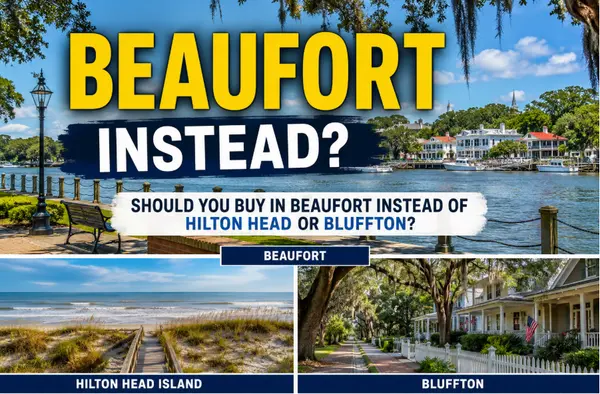
Should You Buy in Beaufort Instead of Hilton Head or Bluffton?

Hampton Hall vs Hampton Lake: Golf-Centered or Lake-Centered Living?

Multigenerational Living in Bluffton: The Floor Plan Matters More Than the Bedroom Count
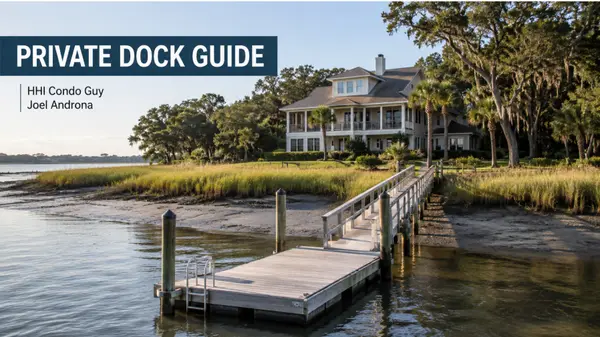
Buying a Lowcountry Home With a Private Dock: What Buyers Need to Verify
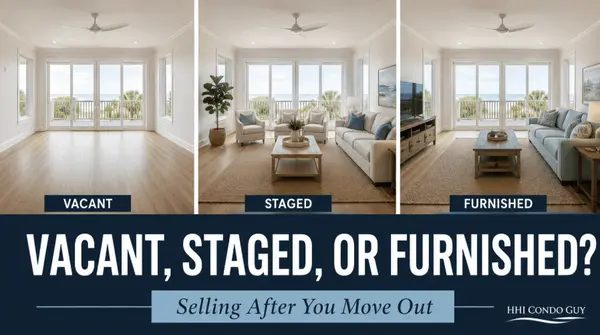
Selling After You Move Out: Vacant, Staged, or Left Furnished?
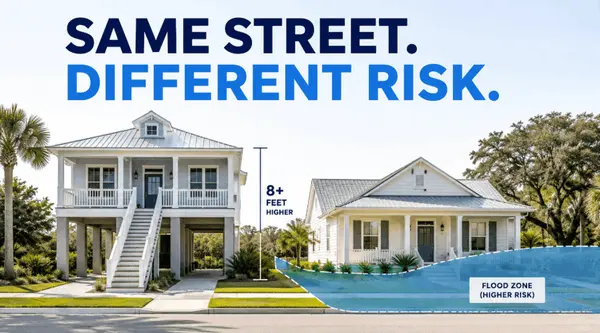
Flood Zone, Elevation, and Insurance: Why the House Next Door Can Carry a Different Risk

Septic vs Sewer in Bluffton and the Lowcountry: What Changes for the Buyer?

Buying a Stucco Home in the Lowcountry: What Buyers Should Investigate
Private Pool vs Community Pool: What Bluffton Buyers Are Really Choosing

Buying a Golf-Course Home When You Do Not Actually Golf