Selling After You Move Out: Vacant, Staged, or Left Furnished?
Selling After You Move Out: Vacant, Staged, or Left Furnished?
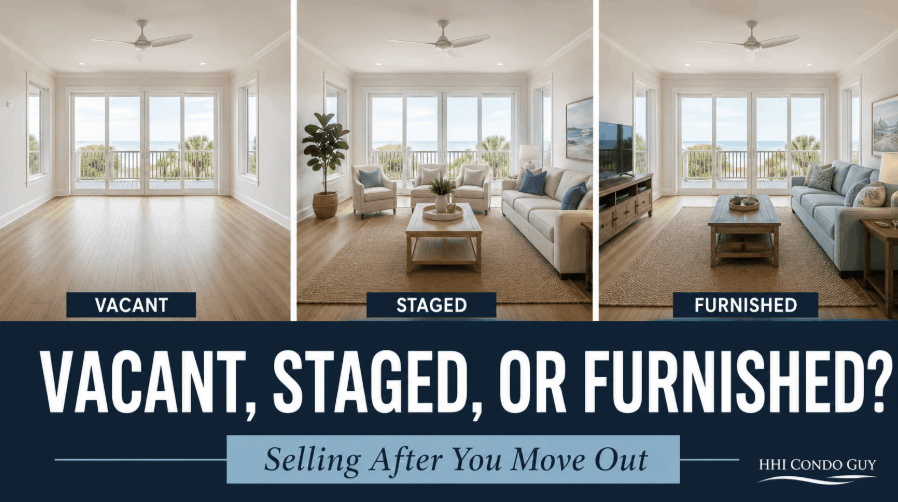
Moving out before your home sells can make showings easier. There are no schedules to coordinate, no pets to remove, no beds to make, and no last-minute cleanup when a buyer wants to visit.
But moving out also creates a presentation decision that sellers often underestimate.
Should the home be completely vacant? Should you pay to have it professionally staged? Or should you leave some or all of your furniture behind?
There is no automatic winner. The right answer depends on the property, the buyer, the condition of the furniture, the price point, and what the active competition looks like. Empty is not always bad. Furnished is not always better. Staging is not automatically worth the expense.
The goal is not to make the home look occupied. The goal is to make the property easier for buyers to understand, compare, and choose.
If you are preparing to SELL YOUR PROPERTY after moving out, the presentation should be decided before the listing photos are taken—not after the home has already spent several weeks online.
Moving Out Solves One Seller Problem and Creates Another
A vacant home is easy to access and usually easier to keep clean. Buyers can schedule showings without worrying about whether the seller can leave on short notice. Contractors can complete repairs more easily, and the listing agent can prepare the property without working around daily life.
The tradeoff is that empty rooms can be harder to read.
Without furniture, buyers may struggle to judge whether a bedroom can hold a king-size bed, whether a living room has enough space for a sectional, or where a dining table would go. A room that looked comfortable when furnished may suddenly feel narrow, oddly shaped, or smaller than it actually is.
Vacancy also removes distractions. That can be useful when the home is clean and well-maintained, but it can work against the seller when buyers start focusing on every wall mark, flooring transition, ceiling stain, damaged baseboard, or outdated fixture.
Furniture should not be used to hide condition. It should help explain the space.
When Selling the Home Vacant Makes Sense
Vacant is often the better choice when the existing furniture is dated, oversized, damaged, mismatched, or too personal. Removing weak furniture can make a home feel cleaner and prevent buyers from mentally pricing the contents instead of evaluating the property.
Vacancy may also work well when the layout is obvious. A straightforward Bluffton house with clearly defined bedrooms, a normal dining area, and an open kitchen and living room may not need much explanation. Good photography, clean paint, strong lighting, maintained landscaping, and spotless floors may be enough.
An empty home can also communicate that the seller is ready to close without creating questions about possession or move-out timing. That convenience can help, but it should not be mistaken for leverage. Buyers may still assume that a vacant seller is carrying two homes and could be more motivated.
That assumption does not determine the result. Price and competition still do. But sellers should understand how buyers may interpret the situation.
Vacant works best when the property is clean enough to stand on its own. Empty rooms do not forgive poor condition. They expose it.
When Professional Staging Can Earn Its Cost
Professional staging is most useful when a buyer needs help understanding scale, room purpose, or the level of presentation expected at the price point.
The National Association of REALTORS’ 2025 home-staging research found that 83% of buyers’ agents said staging made it easier for buyers to visualize a property as their future home. That does not mean staging guarantees a higher price. It means good staging can remove uncertainty and help buyers understand how the home works.
A professionally staged living room can show the correct furniture scale without overcrowding the room. A staged primary bedroom can establish that the room comfortably holds the expected bed size. A difficult loft, flex room, or awkward dining area can be given a clear purpose.
Staging becomes more important when:
The home has large or unusual rooms that feel empty without scale.
The layout includes spaces buyers may not immediately understand.
The property is competing against renovated, professionally presented listings.
The expected buyer is shopping remotely and may eliminate homes based largely on photos.
The price requires a polished presentation that the seller’s furniture cannot provide.
The entire house does not always need to be staged. The living room, primary bedroom, dining area, and one difficult flex space may do most of the work. A strong plan for SHOWING YOUR HOME should focus spending where it changes the buyer’s perception rather than filling every room with rented furniture.
Left Furnished Is Not the Same as Staged
Sellers sometimes describe a property as staged when they have simply left their furniture behind. Those are not the same thing.
Staging is selective. The furniture is chosen and arranged to improve room scale, traffic flow, photography, and buyer understanding. Personal belongings, excess furniture, collections, family photographs, worn pieces, and visual clutter are removed.
Leaving a home furnished usually means the seller’s existing contents remain in place. That can work when the furniture is clean, current, appropriately sized, and useful to the likely buyer. It can hurt when the contents make the property feel darker, smaller, older, or more crowded.
Furniture should earn its place in the listing.
A sofa that blocks the view should go. A large bedroom set that makes the room feel tight should go. Worn rental furniture that makes a renovated condo feel dated should go. So should excessive beach décor, crowded shelves, mismatched dining chairs, damaged outdoor furniture, and anything buyers are likely to see as an immediate disposal project.
The seller does not receive extra credit for leaving more items. Buyers care whether those items make ownership easier.
A Furnished Hilton Head Condo Is a Different Decision
Furnished sales can make more sense on Hilton Head than they do in many traditional primary-residence markets.
A second-home buyer may value the ability to close, bring personal belongings, and begin using the property without ordering beds, sofas, dining furniture, televisions, cookware, patio furniture, or window treatments. A buyer planning to rent the property, where permitted, may also prefer a setup that reduces the time between closing and making the property usable.
But the word furnished does not create value by itself.
The buyer will still judge the quality, condition, and usefulness of what is included. Furniture that is ten or fifteen years old may be functional without being valuable. A full condo of worn furnishings can become a disposal expense rather than a selling advantage.
A furnished sale is only turnkey when the contents are part of the solution.
For a Hilton Head condo or villa, I would look at whether the furniture supports the view, floor plan, bedroom count, intended use, and price. A well-presented beach-area condo may benefit from remaining furnished. A condo with tired furniture may show better after most of it is removed and a few stronger pieces are retained or brought in.
A Bluffton House Usually Needs a Different Approach
Most Bluffton house buyers are comparing the property against other residential homes, including resales and new construction. Their attention is usually on the floor plan, condition, lot, garage, storage, outdoor space, neighborhood, ownership costs, and how the home will work every day.
The seller’s furniture may help establish scale, but buyers are less likely to value an entire house full of contents unless there is a specific agreement or unusual circumstance.
For that reason, a Bluffton seller who has already moved may be better served by leaving a small amount of useful furniture temporarily, arranging selective professional staging, or presenting the house completely vacant and exceptionally clean.
The answer should come from the competition.
If similar homes are photographed and presented beautifully, an empty house with plain rooms may feel unfinished online. If competing listings are crowded with furniture and personal belongings, a clean vacant home may feel larger and easier to evaluate.
Sellers are not presenting the property in a vacuum. Buyers will compare it with everything else available in the same price range.
The Furniture Has to Match the Asking Price
Presentation expectations rise with price.
A lightly furnished entry-level property may show perfectly well with clean, functional pieces. A higher-priced home may look weaker if the furnishings appear worn, undersized, dated, or inconsistent with the quality of the home.
This does not mean every expensive property needs designer furniture. It means the presentation cannot contradict the price.
If the listing claims a renovated, high-quality interior but the furniture makes the rooms feel tired, buyers may question the overall level of maintenance. If the furniture is inexpensive but clean and well-arranged, it may still work. Condition, scale, and consistency matter more than brand names.
The strongest rooms should support the strongest parts of the property. Do not block a lagoon, golf, marsh, or wooded view with bulky furniture. Do not crowd a screened porch that should feel spacious. Do not turn a useful bedroom into a storage room because the seller has already moved.
The Photos Make the First Decision
Many sellers focus on how the property will feel during a showing, but buyers usually see the photos before they decide whether to schedule one.
A vacant home can photograph well when it has natural light, good proportions, clean finishes, and professional photography. It can photograph poorly when every room looks like a similar empty box.
Staging can give the photos depth, warmth, scale, and a clearer sense of use. Leaving the seller’s furniture can accomplish the same thing when the contents are strong enough.
Virtual staging may help buyers understand an empty room online, but it does not change what they experience when they walk through the door. Altered images should also be handled transparently and should not misrepresent the property. NAR guidance warns that enhanced listing photos should be disclosed rather than used to conceal or change important property facts.
Virtual furniture is a marketing supplement. It is not a substitute for preparing the actual home.
A Furnished Sale Needs Clear Written Terms
A seller should not market a property as furnished and assume everyone has the same understanding of what that includes.
Does furnished include televisions? Artwork? Lamps? Patio furniture? Mattresses? Linens? Cookware? Small appliances? Electronics? Décor? Owner closets? Bicycles? Grills?
Those details can become surprisingly emotional when they are not settled early.
South Carolina REALTORS updated its forms library in May 2026 to include both a Personal Property Addendum and a Bill of Sale Personal Property Agreement. A furnished transaction should identify the included and excluded items clearly instead of relying on listing photos, verbal promises, or the word furnished in the marketing.
High-value contents may also need to be handled separately from the real estate price. The contract, lender, appraisal, closing attorney, insurance considerations, and tax treatment can all affect how personal property is documented.
The property should be marketed accurately, and the written agreement should control what actually conveys.
The Property Still Needs Management After You Leave
Moving out does not mean the house can be ignored until closing.
The landscaping still needs to be maintained. The HVAC needs to operate. Humidity must be controlled. Toilets, sinks, appliances, lights, smoke detectors, doors, windows, exterior areas, pools, irrigation systems, and mail should be checked regularly.
This is especially important in the Lowcountry, where heat, humidity, storms, moisture, pests, and extended absences can turn a small problem into a major one.
Insurance should also be reviewed before the property becomes vacant. State Farm advises owners to speak with their insurer because a standard homeowners policy may not cover certain losses once a home has been empty for an extended period. Policy terms vary, so the seller should confirm the specific coverage rather than assuming the existing policy remains unchanged.
Once you move out, the property still needs management. Buyers will notice if an empty house begins to smell closed-up, accumulate dust, develop yard problems, or feel neglected.
How I Would Make the Decision
I would leave the home vacant when the furniture hurts the presentation, the layout is easy to understand, and the property is clean enough to compete without help.
I would stage selected rooms when the home needs scale, warmth, or clearer room definition—or when the active competition is presented at a noticeably higher level.
I would leave the property furnished when the contents are clean, useful, appropriately scaled, and attractive to the likely buyer. That is especially relevant for certain Hilton Head condos, villas, second homes, and vacation-style properties.
I would not leave furniture simply because moving it is inconvenient.
The decision should come from how the property compares with the buyer’s alternatives. Price, condition, photography, furnishings, floor plan, views, and ownership costs all work together. Good furniture cannot rescue an overpriced property. A vacant home can still sell well when the pricing and condition are strong. Professional staging helps most when it solves a specific presentation problem.
The Seller Takeaway
Vacant, staged, and furnished homes can all sell successfully. Problems begin when the seller chooses the easiest option without considering how buyers will interpret it.
An empty property should feel clean and ready, not abandoned.
A staged property should make the space easier to understand, not look like a furniture showroom.
A furnished property should offer convenience, not a future cleanout project.
Before deciding, compare the home against the active listings buyers will see immediately before and after yours. A HOME VALUE EVALUATION should consider more than old sold prices. It should also look at how the property’s presentation, condition, and asking price compete today.
The goal is not to leave the most furniture.
The goal is to remove as many reasons as possible for the buyer to choose another property.
 FAQ SECTION
Is it better to sell a house vacant or furnished?
Neither option is automatically better. Vacant works when the home is clean, the rooms are easy to understand, and the existing furniture would weaken the presentation. Furnished works when the contents improve scale, photography, convenience, and buyer appeal.
Is professional staging worth it after moving out?
It may be worth it when the home has unusual rooms, an unclear layout, a higher price point, or strong competition from professionally presented listings. Selectively staging the main living areas may provide more value than staging every room.
Should furniture be included in the sale price?
That depends on the property, buyer, lender, appraisal, and transaction structure. Included personal property should be identified clearly in writing. Valuable contents may need a separate bill of sale or other documentation prepared with the appropriate professionals.
Should a Hilton Head condo be sold furnished?
Many second-home and vacation-property buyers appreciate a useful furnished setup, but furniture only helps when it is clean, current, appropriately sized, and included on clear terms. Worn or excessive contents can lower the property’s appeal.
Do I need to tell my insurance company after moving out?
Yes. Contact the insurer before or immediately after the property becomes vacant. Coverage definitions, time limits, exclusions, inspection requirements, and vacant-property options vary by policy and company.
Categories
- All Blogs (108)
- Hilton Head Condo Buyer Strategy (7)
- Beach Access & Coastal Ownership (1)
- Bluffton & Lowcountry Living (2)
- Bluffton Buyer / Seller / Comparison Topics (2)
- Bluffton Communities and Relocation (4)
- Bluffton Real Estate (8)
- Bluffton Real Estate / Relocation Guide (2)
- Buyer Advice (1)
- Buyer Guides (1)
- Costs, Fees, Insurance, Financing, and Due Diligence (1)
- Golf / Private Club / Gated Community Living (1)
- Golf / Private Club Communities (1)
- Hilton Head & Bluffton Buyer Strategy (1)
- Hilton Head Area Comparisons (1)
- Hilton Head Communities (4)
- Hilton Head Communities & Area Guides (11)
- Hilton Head Condo Buyer Guide (9)
- Hilton Head Condo Market Updates (1)
- Hilton Head Condo Seller Strategy (1)
- Hilton Head Condos & Villas (14)
- Hilton Head Homes (1)
- Hilton Head Homes + Island Living (2)
- Hilton Head Homes and Island Living (1)
- Hilton Head Real Estate (1)
- Hilton Head Seller Strategy (8)
- Hilton Head Short-Term Rental + Investment Guide (1)
- Hilton Head vs Bluffton (1)
- Hilton Head vs Bluffton / Relocation (3)
- Lowcountry Homeownership (1)
- Market Reports & Trends (4)
- Relocation and Retirement (1)
- Retirement & Relocation (1)
- Retirement and 55+ Communities (1)
- Retirement and Relocation (2)
- Retirement, 55+ & Private Club Living (3)
- Seller Strategy and Valuation (1)
- Short-Term Rentals & Investment (3)
Recent Posts