
The Most Overlooked Costs of Beachfront Ownership

The Most Overlooked Costs of Beachfront Ownership
Owning beachfront property on Hilton Head sounds simple from the outside.
You buy the view. You walk to the sand. You enjoy the lifestyle. Maybe you rent it when you are not using it. Maybe it becomes a family vacation place. Maybe it becomes part of your long-term investment plan.
But beachfront ownership is rarely just about the purchase price.
On Hilton Head, especially with oceanfront condos, beachfront villas, near-ocean homes, and short-term rental properties, the real cost of ownership often shows up after closing. It shows up in insurance, flood coverage, regime fees, reserve funding, special assessments, salt-air maintenance, rental compliance, furnishing replacement, beach rules, parking logistics, and long-term building condition.
That does not mean beachfront property is a bad idea. For the right buyer, it can be one of the best lifestyle purchases in the Lowcountry. But it does mean buyers need to look past the photos and understand what the property will actually cost to own.
The First Overlooked Cost Is Insurance
Beachfront and near-ocean ownership usually comes with a more serious insurance conversation than a typical inland property.
For a single-family beach home, the buyer may need to understand homeowners insurance, wind and hail exposure, flood insurance, deductibles, elevation, roof age, construction quality, and whether the property has been improved to better handle storms.
For a condo or villa, the question gets more layered. The buyer needs to know what the regime or association insurance covers, what the owner still needs separately, how deductibles are handled, whether flood coverage applies, and whether the building's master policy is strong enough for both ownership protection and financing.
Flood insurance is also its own topic. The Town of Hilton Head reminds owners that flood insurance is separate from standard homeowner insurance, and flooding on Hilton Head can come from storm surge, high tides, heavy rain, and hurricanes. The Town also notes that flood insurance remains available through the National Flood Insurance Program even outside high-risk flood zones.
That matters because some buyers hear "not in the highest-risk flood zone" and assume the flood conversation is over. It is not. A beachfront buyer should still review the actual flood zone, elevation certificate if applicable, insurance history, premium estimates, deductibles, and coverage gaps before making the final decision.
Regime Fees Are Not Just a Monthly Bill
A lot of Hilton Head condo buyers look at regime fees and ask one basic question: "Is that high or low?"
That is the wrong first question.
A better question is: "What does the fee actually cover, and is the association financially prepared for the building it owns?"
In oceanfront and beach-area condo buildings, regime fees may help cover exterior maintenance, common-area upkeep, landscaping, pools, elevators, building insurance, flood insurance, pest control, water, sewer, trash, cable, internet, security, management, reserves, or other shared expenses depending on the property. But every regime is different.
A high fee is not automatically bad if it reflects strong insurance, real reserve funding, good maintenance, and a building that is being managed responsibly. A low fee is not automatically good if the association has deferred maintenance, weak reserves, old roofs, aging elevators, balcony issues, exterior repairs coming, or major insurance pressure.
For condo buyers using financing, this can also affect loan approval. Fannie Mae's full condo project review process requires lenders to review the HOA budget and confirm that it is adequate and includes replacement reserves for capital expenditures and deferred maintenance of at least 10% of the budget.
That is why a condo's monthly fee is not just an affordability number. It can also tell you whether the building is prepared for the next roof, exterior project, insurance renewal, elevator repair, pool project, or structural repair.
Special Assessments Can Change the Math Fast
Special assessments are one of the biggest surprises for beachfront condo owners.
An assessment may be needed when the association does not have enough money set aside for a major project. That could include exterior repairs, roof replacement, balcony work, pool repairs, elevator modernization, paving, drainage improvements, storm damage deductibles, insurance gaps, or other capital needs.
The issue is not just whether an assessment exists today. Buyers should also look for signs that one may be coming.
That means reviewing meeting minutes, budgets, reserve studies, insurance renewals, engineering reports, capital project plans, owner communications, pending lawsuits, and any known maintenance concerns. In older Hilton Head condo buildings, especially near the beach, the physical building is part of the purchase. You are not just buying the unit interior.
For sellers, this is a major positioning issue. If a building has strong reserves, recent improvements, clear documentation, or completed capital projects, that should be explained in the marketing and buyer conversation. If there is a pending or recent assessment, it needs to be handled directly instead of hoping buyers do not notice.
Salt Air Maintenance Is Real
Beachfront homes and condos take more abuse than many buyers expect.
Salt air, humidity, wind, storms, sun exposure, and moisture can be hard on exterior paint, railings, windows, doors, HVAC equipment, decking, fasteners, roofs, outdoor furniture, grills, screens, sliders, and metal components.
For a condo owner, some of those items may be handled by the association, but not all of them. For a beach home owner, more of that burden usually falls directly on the owner.
This is where buyers need to separate "pretty" from "durable."
A beachfront property can show beautifully online but still have older windows, tired sliders, rusting hardware, worn decking, aging HVAC, soft exterior trim, or maintenance issues that do not show clearly in photos. A good inspection matters, but so does understanding the long-term replacement cycle of the property.
The closer you get to the ocean, the more you should think about the cost of keeping the property in strong condition.
Beach Renourishment and Coastal Projects Are Part of the Ownership Environment
Beachfront ownership is tied to the health and management of the beach itself.
Hilton Head has an active beach management program, and the Town's 2025–2026 beach renourishment project is a good reminder that coastal property ownership involves more than the building. The Town describes the project as a $47.5 million effort involving about 2.2 million cubic yards of beach-compatible sand along roughly 46,500 feet of shoreline, with renourishment generally scheduled every 8 to 10 years depending on weather and beach conditions.
For owners, this does not mean the beach is "bad." It means the beach is an actively managed asset.
Renourishment can protect the long-term beach experience, but it can also create short-term disruption. The Town notes that during active work, roughly 1,000-foot sections of beach may close temporarily, and individual properties near the active work area may see several days of construction activity.
That matters for owners, rental guests, property managers, sellers, and buyers. If you own beachfront property, you need to be prepared for beach projects, access changes, guest questions, noise, equipment, temporary inconvenience, and the reality that coastal ownership is not static.
Rental Costs Are Often Underestimated
Many beachfront buyers plan to rent the property when they are not using it. That can make sense in the right building, area, and property type, but buyers should never analyze a Hilton Head beach property using gross rental income only.
The real number is net.
That means factoring in property management, cleaning, platform fees, furnishing replacement, linens, supplies, repairs, utilities, insurance, regime fees, taxes, business license requirements, short-term rental permit costs, accommodations tax compliance, owner blocks, seasonal vacancy, wear and tear, and future renovations.
Hilton Head also has short-term rental permit requirements. The Town states that the short-term rental permit is separate from the annual business license, is valid from May 1 to April 30, is non-transferable, and uses an annual fee of $150 per bedroom, along with business license and South Carolina accommodations tax compliance requirements.
That is not a reason to avoid rentals. It is a reason to underwrite them properly.
A strong beachfront rental property should be evaluated like a business: gross income, true expenses, property condition, guest experience, management quality, review potential, furnishing standards, parking, elevator access, beach route, rules, and long-term maintenance.
Parking and Beach Access Can Affect Real Value
Beachfront and beach-area ownership is not just about distance to the sand. It is about how easy the property is to use.
Parking matters. Guest access matters. Owner permits matter. Beach routes matter. Elevators matter. Stairs matter. Wagon access matters. Restrooms, showers, and public beach access points can matter too, especially for rental guests and visiting family.
The Town's beach parking page shows that visitors are required to pay for parking at beach park locations except Coligny Beach Park, with fees listed at $3 per hour Monday through Friday and $5 per hour on Saturdays and Sundays during peak beach season enforcement hours.
For a true beachfront condo with good on-site parking, that may be less of an issue. For a near-ocean property, across-the-street villa, or beach-oriented home where guests may rely on public access or limited parking, it becomes more important.
This is why "near the beach" is not enough. Buyers need to know the actual route, the access point, the parking situation, the stairs or elevator situation, and whether the property works in real life for kids, older guests, beach chairs, coolers, wagons, and busy-season use.
Beach Rules and Guest Compliance Matter
Beachfront owners also need to understand the rules that come with being near the beach.
Some of these rules affect guests more than owners, but owners are still responsible for setting expectations. Hilton Head's beach rules are enforced by the Beaufort County Sheriff's Office and Town code enforcement officers, and violations can carry fines and court costs.
Sea turtle protection is another real local issue. If a building is visible from the beach, the Town asks that outside lights be turned off at 10 p.m. from May 1 through October 31, and interior lights visible from the beach should be blocked or turned off. The Town also tells beach users not to leave chairs, umbrellas, or other beach accessories on the beach overnight.
For a rental owner, this means guest instructions matter. For a seller, it means the buyer may ask questions about beach rules, lighting, rental management, guest compliance, and whether the property is easy to operate responsibly.
Furnishings and Turnover Wear Can Be Expensive
Beachfront rentals usually need stronger furnishings than a normal second home.
Guests are hard on properties. Sand, sunscreen, luggage, kids, pets where allowed, humidity, and constant turnover can wear down furniture, rugs, mattresses, bedding, kitchenware, paint, flooring, appliances, outdoor furniture, and decor.
A dated beachfront condo may still rent because of location, but it may not perform as well as a renovated, well-furnished unit with strong photography and a better guest experience. On the other side, a beautifully furnished unit may need regular reinvestment to stay competitive.
Buyers should budget for refresh cycles, not just the initial setup. Sellers should understand that a tired rental interior can create buyer objections, even if the location is strong.
Financing Can Be More Complicated Than Buyers Expect
Beachfront condo financing can be less straightforward than buying a normal single-family home.
Lenders may review the building's insurance, budget, reserves, owner occupancy, litigation, special assessments, commercial components, deferred maintenance, and overall project eligibility. If a condo project has issues, buyers may need a different loan product, a larger down payment, a portfolio lender, or cash.
That does not mean a condo is impossible to finance. It means buyers should ask the financing questions early.
Before falling in love with the view, a buyer should ask whether the building is warrantable, whether there are any known lending issues, whether the insurance package satisfies lender requirements, whether assessments are pending, and whether the lender has already reviewed the project.
For sellers, this matters because financing friction can shrink the buyer pool. If the building has strong documentation and clean financing history, that can help. If financing is difficult, the property needs to be priced and marketed with that reality in mind.
The Cheapest Beachfront Property Is Not Always the Best Value
This is where many buyers get into trouble.
They compare beachfront properties by price, view, and bedroom count, but they do not compare building health, insurance, reserves, assessments, access, parking, rental rules, flood exposure, financing, and maintenance.
A cheaper oceanfront condo can become expensive if the regime is underfunded, the building needs major work, insurance is a problem, financing is difficult, or the unit needs a full renovation.
A more expensive property can sometimes be the better value if the building is stronger, the unit is renovated, the view is better, the rental history is cleaner, the beach route is easier, parking is stronger, and the ownership costs are more predictable.
This is why beachfront ownership needs a full-property analysis, not just a price comparison.
What Buyers Should Review Before Buying
Before buying a beachfront or near-ocean property on Hilton Head, buyers should review the full ownership picture.
That usually means the purchase price, regime or HOA fees, insurance, flood zone, reserves, assessments, building condition, rental rules, Town STR requirements, parking, beach access, renovation needs, furnishing condition, financing eligibility, property management costs, and long-term maintenance.
For condos and villas, the regime matters as much as the unit. For homes, the exterior, elevation, roof, windows, HVAC, drainage, dune proximity, and insurance profile deserve serious attention.
A good beachfront purchase should still feel exciting. But it should also make sense after the inspection, insurance quotes, document review, rental analysis, and financing review.
What Sellers Should Understand
Beachfront sellers should not assume the view alone will carry the listing.
Today's buyers are more cautious about insurance, fees, assessments, reserves, building condition, rental rules, and net carrying costs. If the property has strong advantages, the marketing should make those clear.
That may include recent renovations, updated systems, strong rental history, clean regime documents, completed capital projects, good parking, elevator access, strong views, easy beach access, or a well-managed building.
If there are challenges, they should be handled directly. Buyers usually do not walk away because a property has costs. They walk away when the costs feel unclear, hidden, or poorly explained.
The strongest beachfront listings make the lifestyle obvious and the ownership picture understandable.
Final Takeaway
Beachfront ownership on Hilton Head can be incredible, but it is not passive in the way some buyers imagine.
The beach is the emotional reason people buy. The numbers are the reason they stay comfortable owning it.
Before buying oceanfront, beachfront, or near-ocean property, make sure you understand the insurance, flood exposure, regime health, special assessments, maintenance cycle, rental compliance, parking, beach access, financing, and long-term upkeep.
That is where the real ownership cost lives.
If you are considering buying or selling a Hilton Head condo, villa, beach home, or vacation property, I can help you look at the full picture before you make a move.
Joel Androna HHI Condo Guy / Hilton Head Island Condo Guy joel@joelsells.com 843-227-4649 joelsells.com
 FAQ
FAQ
Are beachfront condos on Hilton Head expensive to own?
They can be, depending on the building, insurance structure, regime fee, flood exposure, reserves, assessments, rental use, and maintenance needs. The purchase price is only one part of the equation. Buyers should review the full monthly and long-term ownership cost before deciding.
Is flood insurance required for every beachfront property?
Not always, but buyers should still review flood coverage carefully. Flood insurance is separate from standard homeowner insurance, and Hilton Head properties can face flooding from storm surge, high tides, heavy rain, and hurricanes. Even properties outside high-risk zones may still be eligible for flood insurance through the NFIP.
Are regime fees bad?
Not automatically. A higher regime fee may be reasonable if it supports strong insurance, reserves, maintenance, amenities, and building management. A low fee can be risky if it means the association is not preparing for future repairs. The key is understanding what the fee covers and whether the budget is realistic.
Can beachfront condos be good rental properties?
Yes, but it depends on the exact property. Rental potential depends on location, view, condition, beach access, building rules, Town STR compliance, parking, amenities, guest experience, management, and net income after expenses. Gross rent alone does not tell the whole picture.
What should sellers do before listing a beachfront property?
Sellers should gather regime documents, insurance information, assessment details, rental history, recent improvement records, utility costs, and any documentation that helps explain the property's value. Buyers are more confident when the ownership picture is clear.
Categories
- All Blogs (108)
- Hilton Head Condo Buyer Strategy (7)
- Beach Access & Coastal Ownership (1)
- Bluffton & Lowcountry Living (2)
- Bluffton Buyer / Seller / Comparison Topics (2)
- Bluffton Communities and Relocation (4)
- Bluffton Real Estate (8)
- Bluffton Real Estate / Relocation Guide (2)
- Buyer Advice (1)
- Buyer Guides (1)
- Costs, Fees, Insurance, Financing, and Due Diligence (1)
- Golf / Private Club / Gated Community Living (1)
- Golf / Private Club Communities (1)
- Hilton Head & Bluffton Buyer Strategy (1)
- Hilton Head Area Comparisons (1)
- Hilton Head Communities (4)
- Hilton Head Communities & Area Guides (11)
- Hilton Head Condo Buyer Guide (9)
- Hilton Head Condo Market Updates (1)
- Hilton Head Condo Seller Strategy (1)
- Hilton Head Condos & Villas (14)
- Hilton Head Homes (1)
- Hilton Head Homes + Island Living (2)
- Hilton Head Homes and Island Living (1)
- Hilton Head Real Estate (1)
- Hilton Head Seller Strategy (8)
- Hilton Head Short-Term Rental + Investment Guide (1)
- Hilton Head vs Bluffton (1)
- Hilton Head vs Bluffton / Relocation (3)
- Lowcountry Homeownership (1)
- Market Reports & Trends (4)
- Relocation and Retirement (1)
- Retirement & Relocation (1)
- Retirement and 55+ Communities (1)
- Retirement and Relocation (2)
- Retirement, 55+ & Private Club Living (3)
- Seller Strategy and Valuation (1)
- Short-Term Rentals & Investment (3)
Recent Posts
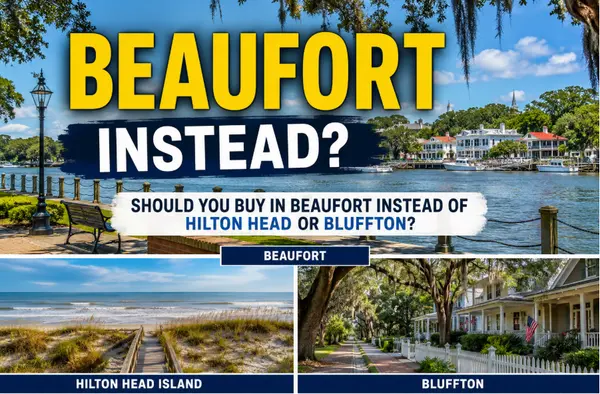
Should You Buy in Beaufort Instead of Hilton Head or Bluffton?

Hampton Hall vs Hampton Lake: Golf-Centered or Lake-Centered Living?

Multigenerational Living in Bluffton: The Floor Plan Matters More Than the Bedroom Count
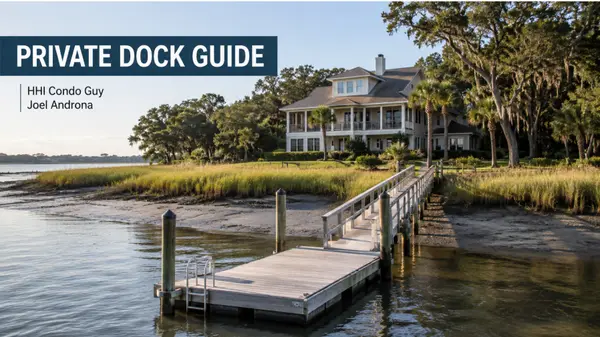
Buying a Lowcountry Home With a Private Dock: What Buyers Need to Verify
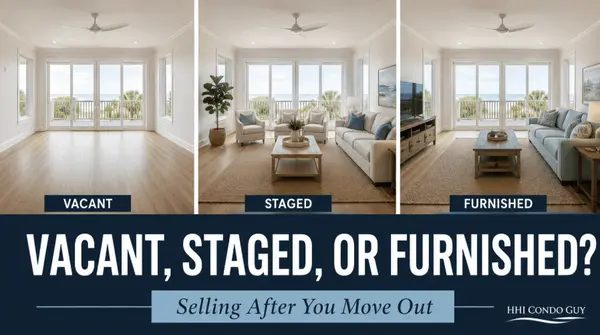
Selling After You Move Out: Vacant, Staged, or Left Furnished?
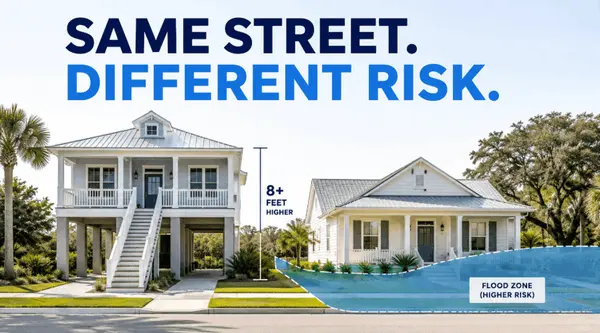
Flood Zone, Elevation, and Insurance: Why the House Next Door Can Carry a Different Risk

Septic vs Sewer in Bluffton and the Lowcountry: What Changes for the Buyer?

Buying a Stucco Home in the Lowcountry: What Buyers Should Investigate
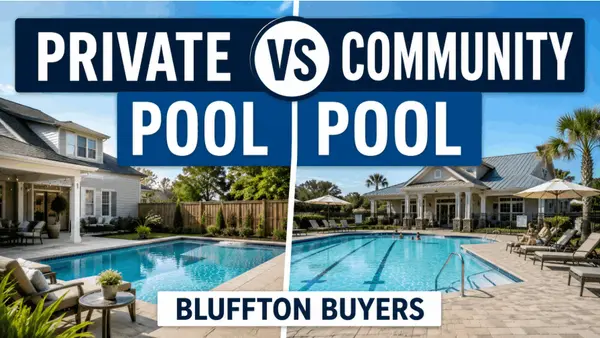
Private Pool vs Community Pool: What Bluffton Buyers Are Really Choosing

Buying a Golf-Course Home When You Do Not Actually Golf