
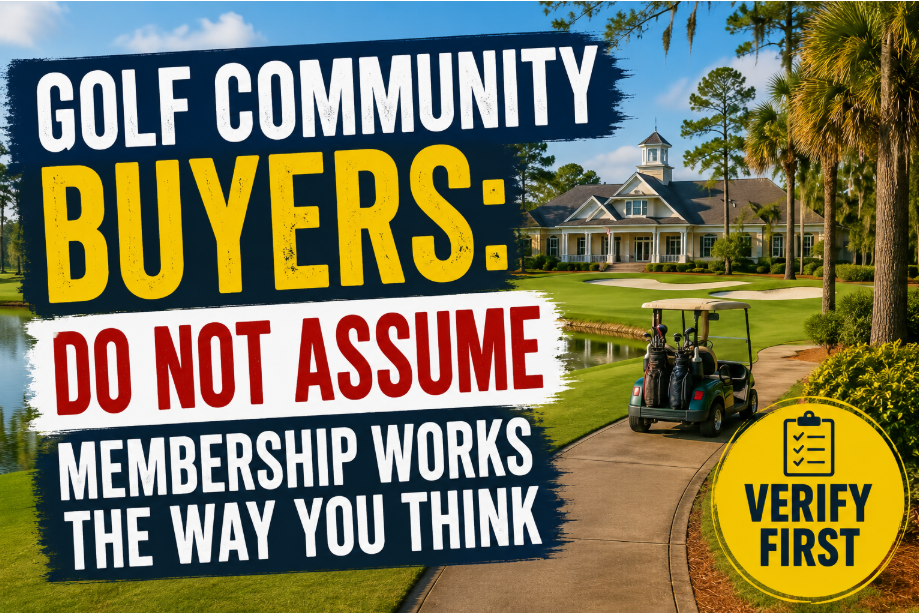
Golf Community Buyers: Do Not Assume Membership Works the Way You Think
Golf Community Buyers: Do Not Assume Membership Works the Way You Think
One of the easiest mistakes golf-community buyers make is assuming the house and the golf membership work the same way in every community.
They do not.
Around Hilton Head and Bluffton, "golf community" can mean several different things. It may mean the home is inside a private club community where membership is tied closely to ownership. It may mean there is a golf course nearby, but access is separate. It may mean there are different membership levels. It may mean golf access has transfer rules, initiation fees, food minimums, waitlists, guest limits, or owner-package options.
That is why buying in a golf community is not just a real estate decision. It is also a club-access, lifestyle, and ownership-cost decision.
The Big Mistake: Thinking the House Automatically Solves the Golf Question
A buyer may fall in love with a home because it sits inside a beautiful gated community, backs up to a fairway, or has a private-club feel. The mistake is assuming that owning the home automatically gives them the exact golf experience they have in mind.
Sometimes that assumption is correct.
Sometimes it is partly correct.
Sometimes it is completely wrong.
The real question is not, "Is this a golf community?" The better question is, "What does owning this specific property actually allow me to do?"
That means buyers need to understand whether membership is required, whether it transfers, whether there are different levels of membership, whether golf is included, whether there are initiation fees or capital contributions, and whether any access limits apply.
Golf Access and Property Ownership Are Not Always the Same Thing
Some communities are built around the idea that property ownership and membership move together. In those communities, buying the home may bring a defined club membership structure with it. That can be attractive because the buyer has a clearer path into the community lifestyle.
But other situations are different.
A community may have golf nearby without the home automatically including full golf privileges. A property owner may have access to certain packages, discounts, tee-time options, or amenity privileges, but that is not the same as a full private club membership. In some cases, the club may have separate membership categories, approval processes, non-property-owner options, or limits on availability.
This is where buyers get surprised.
They see the golf course. They see the clubhouse. They see the lifestyle online. Then later they learn that the membership structure, fees, rules, or access level is not what they assumed.
Membership Level Matters More Than the Marketing Label
The word "membership" can sound simple, but it can mean very different things depending on the community.
One membership may include full golf privileges. Another may be more social or lifestyle focused. Another may include sports, dining, fitness, racquet sports, or limited golf access, but not the full golf experience. Some communities may separate equity membership, family membership, lifestyle membership, non-equity membership, or property-owner packages.
That difference matters.
A buyer who wants to play multiple times per week needs a different answer than a buyer who only wants the setting and social side of the community. A buyer who cares about guest access needs to understand guest rules. A buyer who plans to host family needs to know whether family members can use the club and under what conditions. A buyer who is mostly interested in resale needs to understand how membership expectations affect future buyer demand.
The label is not enough. The details decide whether the purchase works.
The Cost Is Not Just the Purchase Price
Golf-community buyers often focus heavily on the home price, but the real ownership cost can include more than the mortgage, taxes, insurance, and standard HOA or POA dues.
Depending on the community, buyers may need to review initiation fees, capital contributions, annual dues, food and beverage minimums, cart fees, trail fees, locker fees, guest fees, transfer fees, assessment history, reserve funding, and future capital projects.
That does not mean these communities are a bad purchase. Many buyers specifically want the private-club lifestyle and are comfortable paying for it.
The problem is when the buyer does not understand the cost structure until late in the process.
A $1.2 million home with a major membership obligation may be a very different decision than a $1.2 million home in a community where golf access is optional, separate, limited, or not part of the ownership package at all.
Mandatory Membership Can Be a Benefit or a Problem
Mandatory membership is not automatically a negative.
For the right buyer, it can be a major benefit. It may create a stronger sense of community, protect the private-club environment, support amenities, and make the lifestyle easier to understand. It can also help preserve the identity of the community because owners are participating in the same broader club structure.
But for the wrong buyer, mandatory membership can become friction.
If someone loves the house but does not care about golf, club dining, events, fitness, racquet sports, or private amenities, the required cost may not feel justified. That buyer may be better served in a different gated community, a non-club residential neighborhood, or a golf-adjacent community with fewer obligations.
The decision is not about whether mandatory membership is good or bad. It is about whether the buyer actually wants what they are paying for.
Optional Membership Can Also Be Misunderstood
Optional membership sounds simple, but buyers still need to verify the details.
Optional does not always mean cheap. It does not always mean immediately available. It does not always mean unlimited golf. It does not always mean guests can use everything freely. It does not always mean the current owner's arrangement transfers cleanly to the next buyer.
Optional membership may be a great setup for a buyer who wants flexibility. But flexibility only helps when the buyer understands the actual terms.
This matters especially for buyers relocating from other markets. Golf-community rules in the Lowcountry may not match what they experienced in another state, another club, or another resort market.
Fairway Views Do Not Equal Golf Membership
A fairway view can make a property feel more open, private, and visually appealing. For some buyers, that view is a major reason to consider the home.
But a golf view is not the same as golf access.
You can own a home with a beautiful course view and still need to separately confirm whether you can play the course, what membership is required, what fees apply, and whether there are guest or family-use limits.
That distinction matters for value, lifestyle, and resale. A buyer who only wants the view may evaluate the property one way. A buyer who wants the full golf lifestyle may evaluate it very differently.
Private Club Buyers Should Review the Club Like They Review the House
Most buyers know they need to inspect the home. They know they need to review insurance, title, HOA documents, flood information, and the normal real estate details.
Golf-community buyers should also review the club side of the purchase with the same seriousness.
That means asking for the current membership documents, fee schedule, transfer rules, capital contribution requirements, dues structure, guest rules, family-use rules, resignation rules, and any pending or recent club assessments. It also means confirming the information directly with the club or community management, not just relying on listing remarks or casual assumptions.
A listing may say "golf community," but that does not tell you enough.
Sellers Need to Be Clear Too
This is not only a buyer issue. Sellers in golf and private-club communities need to understand how buyers will evaluate the membership structure.
If the home has a strong club connection, that should be explained clearly. If membership transfers, buyers need to understand what that means. If a capital contribution or initiation fee applies, hiding from it does not help. If there are different membership levels, the marketing should not make the property sound simpler than it is.
The clearer the ownership picture, the more confident the buyer can be.
Confusion slows buyers down. Clarity helps them make decisions.
The Right Golf Community Depends on How You Will Actually Use It
A serious golfer may want private access, strong course conditions, a competitive golf culture, practice facilities, member events, and an active club calendar.
A lifestyle buyer may care more about the clubhouse, fitness, dining, walking trails, racquet sports, security, neighborhood feel, and social life.
A retiree may want convenience, community, medical access, low-maintenance living, and a strong social environment.
A second-home buyer may want guest access, easy use, lock-and-leave convenience, and a community that feels worth the carrying cost even if they are not there full time.
Those are different decisions.
That is why the best golf-community purchase is not always the most famous community, the prettiest fairway view, or the biggest club name. It is the one where the property, membership structure, cost, lifestyle, and long-term use all line up.
What Buyers Should Verify Before Making an Offer
Before making an offer in a Hilton Head or Bluffton golf community, buyers should slow down and confirm the exact membership structure attached to the specific property.
The main things to understand are whether membership is mandatory or optional, whether it transfers with the sale, what level of membership applies, what initiation or capital contribution fees are due, what annual dues and minimums apply, whether there are any waitlists or approval steps, what family and guest privileges look like, and whether any assessments or major club projects could affect future cost.
This does not need to scare buyers away. It just needs to be handled early.
The best time to understand the club structure is before the buyer gets emotionally attached to the home.
Final Thought
Golf-community living can be one of the best parts of owning in the Hilton Head and Bluffton area, but buyers should not treat every golf community the same.
The house, the neighborhood, the club, and the membership structure all have to be reviewed together.
A beautiful home in the wrong club structure may not be the right fit. A higher-cost community may make perfect sense if the buyer truly wants the lifestyle. An optional membership setup may be better for someone who wants flexibility. A mandatory membership setup may be better for someone who wants the full private-club environment.
The point is simple: do not assume.
Before buying in a golf community, verify exactly what ownership includes, what membership costs, and how the club structure works for the way you actually plan to live.
 FAQ
FAQ
Does buying a home in a golf community automatically include golf membership?
Not always. Some communities connect property ownership and membership closely, while others have separate membership structures, optional packages, different membership levels, or club approval steps. Buyers should verify the exact rules for the specific property before making assumptions.
Are golf membership fees usually included in HOA or POA dues?
Sometimes costs are connected, but buyers should not assume they are the same thing. HOA, POA, club dues, capital contributions, initiation fees, food minimums, and other charges may be separate depending on the community.
Can golf membership transfer when a property sells?
It depends on the community and the membership structure. Some memberships may transfer with the property, while others may require new fees, applications, approvals, or updated membership terms. This should be confirmed directly with the club or community management.
Is mandatory golf membership bad for resale?
Not necessarily. Mandatory membership can be appealing to buyers who want a strong private-club lifestyle. It can become a resale issue when the cost structure does not match what the likely buyer pool wants or expects.
What should buyers ask before buying in a private golf community?
Buyers should ask about membership type, transfer rules, initiation fees, capital contributions, annual dues, food minimums, guest privileges, family access, waitlists, assessments, and any rules that affect how they plan to use the club.
Categories
- All Blogs (108)
- Hilton Head Condo Buyer Strategy (7)
- Beach Access & Coastal Ownership (1)
- Bluffton & Lowcountry Living (2)
- Bluffton Buyer / Seller / Comparison Topics (2)
- Bluffton Communities and Relocation (4)
- Bluffton Real Estate (8)
- Bluffton Real Estate / Relocation Guide (2)
- Buyer Advice (1)
- Buyer Guides (1)
- Costs, Fees, Insurance, Financing, and Due Diligence (1)
- Golf / Private Club / Gated Community Living (1)
- Golf / Private Club Communities (1)
- Hilton Head & Bluffton Buyer Strategy (1)
- Hilton Head Area Comparisons (1)
- Hilton Head Communities (4)
- Hilton Head Communities & Area Guides (11)
- Hilton Head Condo Buyer Guide (9)
- Hilton Head Condo Market Updates (1)
- Hilton Head Condo Seller Strategy (1)
- Hilton Head Condos & Villas (14)
- Hilton Head Homes (1)
- Hilton Head Homes + Island Living (2)
- Hilton Head Homes and Island Living (1)
- Hilton Head Real Estate (1)
- Hilton Head Seller Strategy (8)
- Hilton Head Short-Term Rental + Investment Guide (1)
- Hilton Head vs Bluffton (1)
- Hilton Head vs Bluffton / Relocation (3)
- Lowcountry Homeownership (1)
- Market Reports & Trends (4)
- Relocation and Retirement (1)
- Retirement & Relocation (1)
- Retirement and 55+ Communities (1)
- Retirement and Relocation (2)
- Retirement, 55+ & Private Club Living (3)
- Seller Strategy and Valuation (1)
- Short-Term Rentals & Investment (3)
Recent Posts
Should You Buy in Beaufort Instead of Hilton Head or Bluffton?
Hampton Hall vs Hampton Lake: Golf-Centered or Lake-Centered Living?
Multigenerational Living in Bluffton: The Floor Plan Matters More Than the Bedroom Count
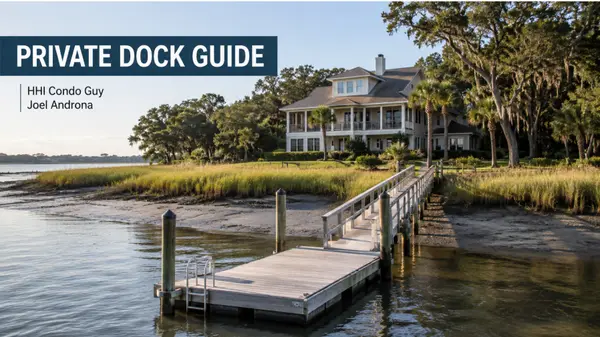
Buying a Lowcountry Home With a Private Dock: What Buyers Need to Verify
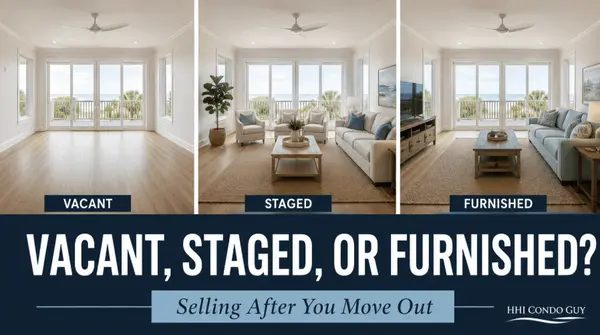
Selling After You Move Out: Vacant, Staged, or Left Furnished?
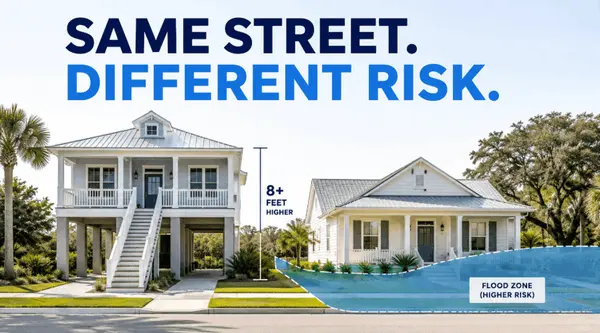
Flood Zone, Elevation, and Insurance: Why the House Next Door Can Carry a Different Risk

Septic vs Sewer in Bluffton and the Lowcountry: What Changes for the Buyer?
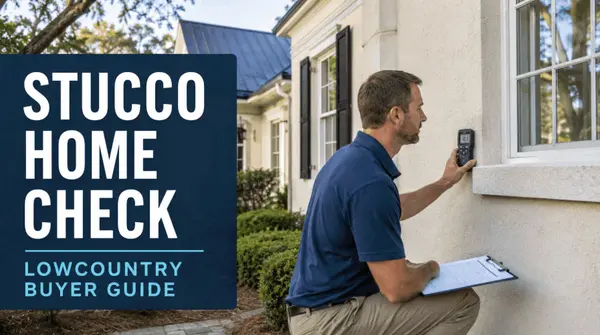
Buying a Stucco Home in the Lowcountry: What Buyers Should Investigate
Private Pool vs Community Pool: What Bluffton Buyers Are Really Choosing

Buying a Golf-Course Home When You Do Not Actually Golf