
Assessments, Reserves, and Older Condo Buildings on Hilton Head
Assessments, Reserves, and Older Condo Buildings on Hilton Head
The assessment itself is not always the biggest problem.
On Hilton Head, the bigger issue is usually uncertainty. Buyers can work through a known project, a documented assessment, or a building with a clear long-term maintenance plan. What creates hesitation is when the building is older, the fees are rising, the reserve picture is unclear, insurance is changing, and nobody can explain what major work may be coming next.
That is where older Hilton Head condo buildings need to be evaluated differently. You are not just buying the unit. You are also buying into the building, the association, the budget, the insurance structure, the maintenance history, and the decisions the owners before you have made over time.
Why older condo buildings require a different kind of review
A renovated interior can make an older condo look easy online. New flooring, fresh paint, updated furniture, and better photos can make the unit feel move-in ready. But the building may still have older roofs, walkways, windows, elevators, stair systems, plumbing, exterior components, drainage issues, or other shared responsibilities that do not show up in the listing photos.
That is why the buyer cannot stop at the unit. The real question is whether the building is being maintained, whether the association is financially prepared, and whether owners are likely to face higher fees or special assessments to handle work that should have been planned for years ago.
South Carolina's Horizontal Property Act broadly treats condo owners as sharing responsibility for common expenses, including administration and maintenance or repair of common elements, based on their percentage interests. The law also addresses unpaid assessments, assessment liens, insurance, and repair or reconstruction responsibilities, which is why the governing documents and association records matter so much in a condo purchase.
A special assessment is not automatically a red flag
A lot of buyers hear "special assessment" and immediately think something is wrong. Sometimes that is true. But not always.
A special assessment can be a sign that the association is finally addressing a needed project. It may pay for exterior repairs, roof work, structural work, common-area improvements, insurance-related gaps, or other major expenses. In that case, the assessment may actually help protect the property long term.
The problem is not simply that an assessment exists. The problem is when buyers cannot get clear answers.
A buyer should understand what the assessment is for, how much is owed, when it is due, whether the seller or buyer pays it, whether additional phases are expected, whether the work has already started, and whether the project solves the problem or only covers part of it.
That is also why SPECIAL ASSESSMENTS should be reviewed before the buyer is emotionally committed to the condo. Waiting until late in the process can create unnecessary stress, especially if financing, insurance, or closing timelines are affected.
Reserves tell you how prepared the building may be
Reserves are the association's long-term repair and replacement money. They are supposed to help pay for major future expenses instead of forcing owners to cover every big project through sudden assessments.
The Community Associations Institute describes a reserve study as a budget planning tool that identifies the components an association is responsible for maintaining or replacing, the current status of the reserve fund, and a funding plan for future major common-area expenses. It also makes clear that a reserve study is not a full structural inspection or destructive testing report.
That distinction matters. A reserve study can help show whether the association is planning for future costs, but it does not replace inspections, engineering reports, maintenance records, insurance review, or common sense.
For a Hilton Head condo buyer, the useful question is not just, "How much money is in reserves?" The better question is whether the reserves make sense for the age, size, condition, location, insurance exposure, and future repair obligations of that specific building.
Financing rules are making reserves and building health harder to ignore
Condo financing is also part of this conversation. Fannie Mae currently requires lenders doing a full condo project review to look at whether the association budget is adequate and provides replacement reserves for capital expenditures and deferred maintenance of at least 10% of the budget. It also limits how many units can be seriously delinquent on common expense assessments or special assessments.
Fannie Mae has also announced changes that increase scrutiny around condo reserves and project review. The Limited Review process is being retired for applications dated on or after August 3, 2026, and the minimum reserve allocation requirement for capital expenditures and deferred maintenance is scheduled to rise from 10% to 15% for full review loan applications dated on or after January 4, 2027.
That does not mean every older Hilton Head condo suddenly becomes a bad purchase. It means buyers and sellers should expect more attention on budgets, reserves, insurance, repairs, assessments, and documentation.
This is where HILTON HEAD CONDO FINANCING can surprise people. A buyer may love the unit, qualify personally, and still run into questions because the building itself has to satisfy lender review. A beautiful interior does not fix a weak association budget, unresolved repair issue, or insurance problem.
Insurance is part of the assessment conversation
On Hilton Head, insurance can affect monthly fees, reserve needs, buyer confidence, and future assessments. Condo ownership usually involves both a master policy for the association and an individual unit-owner policy. The Island Packet reported that a condo's master policy is typically maintained by the property management company or POA, with the premium split among owners and factored into dues, while individual owners still need their own separate policy for their unit.
That matters because older coastal buildings may face insurance pressure at the same time they are facing maintenance pressure. If premiums rise, deductibles change, coverage terms shift, or the association needs more documentation, the cost can show up through higher fees, budget changes, or assessments.
Fannie Mae's 2026 lender letter also updated master property insurance standards, including requirements around coverage sufficiency, roof coverage treatment, and a maximum allowable per-unit deductible for required property insurance perils under a master policy.
For buyers, this is why HILTON HEAD CONDO FEES should never be reviewed as just a monthly number. A fee can look high but include meaningful coverage and reserves. A fee can look low but leave the building underprepared. The number only makes sense when you know what it includes, what it excludes, and what may be coming.
What buyers should look for before making an offer
A buyer does not need to become a building engineer or association attorney to make a better decision. But they do need to slow down and understand what they are buying into.
The key is to review the budget, reserves, meeting minutes, insurance information, current and past assessments, planned projects, repair history, litigation if any, condo questionnaire, and any available reserve study or engineering information. The point is not to collect paperwork for the sake of paperwork. The point is to understand whether the building appears prepared or reactive.
There is a big difference between an older building that has been maintained and an older building that has been delayed. There is also a big difference between a known assessment with a clear purpose and an unclear financial situation where more costs may be hiding behind vague answers.
That is the real issue with BUYING AN OLDER HILTON HEAD CONDO. Age alone is not the problem. Deferred maintenance, weak reserves, unclear insurance, poor documentation, and surprise costs are the problem.
What sellers should understand before listing
This topic is not only for buyers. It matters for sellers too.
If you own an older Hilton Head condo and the building has known assessments, rising fees, major projects, insurance changes, or reserve questions, buyers are probably going to ask. If the listing ignores those issues, the questions do not disappear. They usually show up later, when the buyer is already nervous and the deal is more fragile.
A seller does not need to apologize for every building issue. But the seller does need to understand how buyers are comparing the condo against other active options. If another unit has cleaner documentation, fewer unanswered questions, stronger condition, or lower perceived risk, that affects the buyer's confidence.
Sometimes the right seller strategy is better documentation. Sometimes it is cleaner presentation. Sometimes it is explaining what the assessment funded. Sometimes it is pricing around the building's financial reality. And sometimes it is being more aggressive because the buyer pool is smaller than the seller expected.
The best older condos make the costs understandable
Older condo buildings on Hilton Head can still be excellent purchases. Some have stronger locations, better settings, more character, larger layouts, or better beach access than newer alternatives. But buyers need to understand the tradeoff.
A lower purchase price does not automatically mean a lower cost of ownership. A renovated kitchen does not automatically mean the building is healthy. A high fee does not automatically mean the association is poorly run. And a special assessment does not automatically mean the condo should be avoided.
The better question is whether the buyer can clearly understand the building's condition, financial preparation, insurance structure, reserve plan, and likely future obligations.
That is what creates confidence.
If you are comparing older Hilton Head condos, do not just compare price, view, furniture, and distance to the beach. Compare the buildings. Compare the budgets. Compare the reserves. Compare the assessments. Compare the insurance. Compare what each ownership experience may actually cost after closing.
That is where the real decision usually gets made.
 FAQ
FAQ
Are special assessments common in older Hilton Head condo buildings?
They can happen, especially when a building needs major repair, replacement, insurance-related work, or capital projects. The key is not just whether an assessment exists. The key is what it funds, how it is being handled, and whether more costs may follow.
Is an older Hilton Head condo a bad investment?
Not automatically. An older condo can still make sense if the location, condition, building health, fees, rental rules where applicable, insurance, reserves, and future costs all line up. The mistake is judging the condo only by the interior photos or purchase price.
What documents should buyers review before buying an older condo?
Buyers should review the association budget, reserve information, meeting minutes, rules, insurance details, current or pending assessments, repair history, condo questionnaire, and any available reserve study or engineering reports. The exact documents available will vary by property and association.
Can assessments affect financing?
Yes, they can. Lenders may review the project's budget, reserves, insurance, special assessments, delinquency levels, and other condo-project factors. A buyer should involve a lender familiar with Hilton Head condo and villa properties early in the process.
Should sellers disclose assessments upfront?
Sellers should work with their agent and closing professionals on what must be disclosed, but from a practical marketing standpoint, surprises usually hurt buyer confidence. Clear documentation and a realistic pricing strategy are better than hoping the issue never comes up.
Categories
- All Blogs (108)
- Hilton Head Condo Buyer Strategy (7)
- Beach Access & Coastal Ownership (1)
- Bluffton & Lowcountry Living (2)
- Bluffton Buyer / Seller / Comparison Topics (2)
- Bluffton Communities and Relocation (4)
- Bluffton Real Estate (8)
- Bluffton Real Estate / Relocation Guide (2)
- Buyer Advice (1)
- Buyer Guides (1)
- Costs, Fees, Insurance, Financing, and Due Diligence (1)
- Golf / Private Club / Gated Community Living (1)
- Golf / Private Club Communities (1)
- Hilton Head & Bluffton Buyer Strategy (1)
- Hilton Head Area Comparisons (1)
- Hilton Head Communities (4)
- Hilton Head Communities & Area Guides (11)
- Hilton Head Condo Buyer Guide (9)
- Hilton Head Condo Market Updates (1)
- Hilton Head Condo Seller Strategy (1)
- Hilton Head Condos & Villas (14)
- Hilton Head Homes (1)
- Hilton Head Homes + Island Living (2)
- Hilton Head Homes and Island Living (1)
- Hilton Head Real Estate (1)
- Hilton Head Seller Strategy (8)
- Hilton Head Short-Term Rental + Investment Guide (1)
- Hilton Head vs Bluffton (1)
- Hilton Head vs Bluffton / Relocation (3)
- Lowcountry Homeownership (1)
- Market Reports & Trends (4)
- Relocation and Retirement (1)
- Retirement & Relocation (1)
- Retirement and 55+ Communities (1)
- Retirement and Relocation (2)
- Retirement, 55+ & Private Club Living (3)
- Seller Strategy and Valuation (1)
- Short-Term Rentals & Investment (3)
Recent Posts
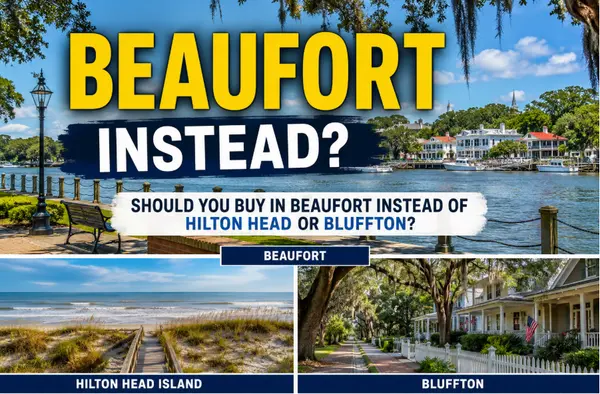
Should You Buy in Beaufort Instead of Hilton Head or Bluffton?

Hampton Hall vs Hampton Lake: Golf-Centered or Lake-Centered Living?

Multigenerational Living in Bluffton: The Floor Plan Matters More Than the Bedroom Count
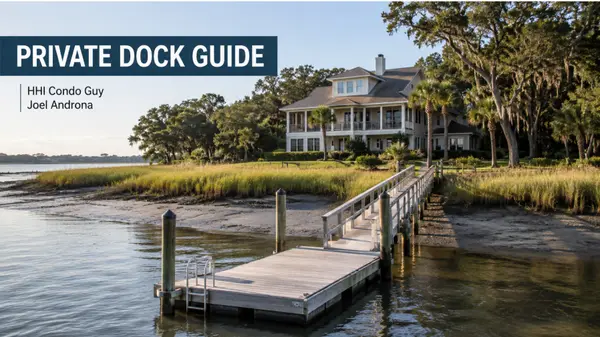
Buying a Lowcountry Home With a Private Dock: What Buyers Need to Verify

Selling After You Move Out: Vacant, Staged, or Left Furnished?

Flood Zone, Elevation, and Insurance: Why the House Next Door Can Carry a Different Risk

Septic vs Sewer in Bluffton and the Lowcountry: What Changes for the Buyer?

Buying a Stucco Home in the Lowcountry: What Buyers Should Investigate
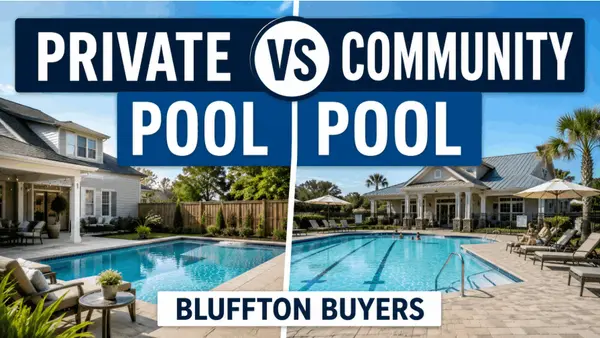
Private Pool vs Community Pool: What Bluffton Buyers Are Really Choosing

Buying a Golf-Course Home When You Do Not Actually Golf