
Why the Cheapest Hilton Head Condo Is Not Always the Best Deal
Why the Cheapest Hilton Head Condo Is Not Always the Best Deal
The cheapest Hilton Head condo usually gets attention first.
That makes sense. Buyers are looking online, sorting by price, and trying to figure out where the deals are. When one condo is priced lower than everything else in the same general area, it is natural to wonder if that is the one to jump on.
But on Hilton Head, the lowest purchase price is not always the lowest-cost ownership decision.
A cheaper condo can become expensive very quickly if the regime fees are high, the building needs work, the unit needs renovation, the rental rules do not match the buyer's plan, financing is difficult, insurance is changing, parking is inconvenient, or future assessments are sitting in the background.
That does not mean cheaper condos are bad. Some lower-priced condos can make a lot of sense. The point is simpler than that: the purchase price is only one part of the deal. The better question is what you are actually buying after you factor in condition, fees, rules, building health, usability, and resale.
A Lower Price Can Hide a Higher Total Cost
A Hilton Head condo buyer should never look at price by itself.
The purchase price tells you what it costs to buy the property. It does not tell you what it costs to own it, improve it, rent it, insure it, finance it, maintain it, or eventually resell it.
That is where buyers can get surprised.
A condo that looks $50,000 cheaper online may need flooring, bathrooms, kitchen work, HVAC, furniture, appliances, window treatments, paint, lighting, and rental-ready upgrades. Add coastal ownership costs, regime fees, insurance, repairs, and possible association projects, and the "cheap" condo may not be cheap anymore.
Sometimes the lower price is real opportunity. Other times it is the market pricing in problems that the buyer has not seen yet.
That is why the best Hilton Head condo deal is not always the lowest number on the search page. It is the property where the price makes sense after the rest of the ownership picture is understood.
Condition Can Change the Entire Deal
Condition is one of the biggest dividers in the Hilton Head condo market.
A dated condo in a good location can still be a good purchase, but only if the buyer understands the work, the cost, the timeline, and the competition. A lower asking price does not automatically make up for a tired interior.
Buyers tend to underestimate renovation costs, especially when they are comparing a dated condo to a recently updated one. Online, the price gap may look obvious.
In real life, that gap may shrink after you account for contractors, materials, furnishings, rental downtime, project delays, and the buyer's own time and energy.
A renovated condo may cost more upfront, but it may also remove a lot of uncertainty. It may photograph better, rent better where rentals are allowed, feel easier for guests or family, and compete better when it is time to resell.
The right answer depends on the exact property. A value-add condo can be a good move for the right buyer. But it is not a deal just because it needs work and costs less.
Regime Fees Can Make Two Similar Condos Feel Very Different
Hilton Head condo buyers need to understand the monthly ownership cost, not just the purchase price.
Regime fees can vary for good reasons. They may cover exterior maintenance, insurance, common areas, amenities, building upkeep, trash, pest control, landscaping, reserves, management, or other expenses depending on the specific community and documents. In South Carolina condominium ownership, common expenses and shared ownership responsibilities are part of the horizontal property regime structure, so buyers need to review the actual master deed, bylaws, budget, and association documents for the property they are buying.
A higher fee is not automatically bad. Sometimes a higher fee reflects more services, stronger maintenance, better insurance coverage, or more serious reserve planning. A lower fee is not automatically good either. A low monthly fee can be a problem if the association is underfunded or major repairs are being delayed.
The useful question is not, "Is the fee high?"
The useful question is, "What does the fee include, what does it not include, and is the association financially prepared for the building it owns?"
That matters because a cheaper condo with a high monthly fee may be less affordable than a more expensive condo with a cleaner total cost. It also matters for resale, because future buyers will be asking the same questions.
Building Health Matters More Than the Unit Photos
A condo can have beautiful photos and still be part of a building with bigger issues.
That is one of the traps with buying on price alone. The unit may look acceptable online, but the building, association, insurance, reserves, maintenance history, litigation, inspections, or assessment history may be the real issue.
Lenders pay attention to some of these items too. Fannie Mae's condo review process requires lenders to evaluate project eligibility, and Fannie Mae identifies concerns such as litigation, critical repairs, special assessments, commercial space, single-entity ownership, and other project-level issues that can affect eligibility.
That does not mean every issue kills a deal. It means the buyer needs to know what they are dealing with early.
A lower-priced condo may be lower for a reason. Maybe the association has work coming. Maybe the building has deferred maintenance. Maybe insurance has become expensive. Maybe financing is harder. Maybe there are questions about reserves or assessments.
Those are not small details. They can affect whether the buyer can finance the property, how much cash they need, how comfortable they feel moving forward, and how the property will compete when they sell.
Rental Assumptions Can Make a Cheap Condo Look Better Than It Is
A lot of Hilton Head condo buyers are not only thinking about personal use. They are also thinking about rental income.
That is where the lowest-priced condo can become tempting. The buyer sees a lower purchase price and starts imagining better cash flow.
But rental performance is not based on price alone.
The exact property matters. Location, beach route, parking, stairs, elevator access, bedroom layout, furnishings, cleanliness, guest reviews, management costs, owner use, seasonality, fees, taxes, insurance, repairs, and rules all affect the real numbers.
Buyers also need to verify whether the property can be rented the way they intend. The Town of Hilton Head Island regulates short-term rentals for privately owned residential property rented for periods of less than 30 days, and the Town requires a short-term rental permit for each STR property. The permit is separate from the annual business license, and permits are property-specific and non-transferable.
On top of that, property owners also need to look at the specific HOA, POA, regime, or community rules. A town permit does not automatically mean the association allows the rental use the buyer has in mind.
This is where a cheap condo can fool people. It may look like a better investment because the entry price is lower, but if the property is harder to rent, more expensive to operate, less guest-friendly, or restricted by rules, the real investment picture can be very different.
Financing Can Change the Buyer Pool
Cash buyers and financed buyers do not always see the same condo the same way.
A cash buyer may be able to buy a property that creates problems for a financed buyer. That matters because financing affects both today's purchase and tomorrow's resale.
If a condo is difficult to finance, the buyer pool may be smaller. A smaller buyer pool can affect demand, negotiation, and resale flexibility. Sometimes that is fine if the buyer understands it and the price reflects it. The problem is when the buyer does not know until late in the process.
This is why buyers should talk to a lender who understands Hilton Head condos before assuming every property qualifies the same way.
The cheapest condo may not be the best deal if the financing path is harder, the down payment requirement is different, the loan options are limited, or the property requires a more specialized lender.
Insurance and Flood Questions Are Part of the Math
Hilton Head is a coastal market. Insurance and flood awareness are part of the ownership decision.
Buyers should not assume that every condo has the same insurance setup. They need to understand the master policy, what the association covers, what the unit owner needs to cover, whether flood coverage is involved, what the lender requires, and whether the property's location or building type creates additional questions.
The Town of Hilton Head Island directs owners and buyers to understand flood zones and explains that FEMA Flood Insurance Rate Maps are used for floodplain management, mitigation, insurance purposes, and determining flood insurance requirements in higher-risk areas.
Again, the point is not to scare buyers away from coastal condos. The point is to understand the cost before deciding the lower price is the better deal.
A cheaper condo with more insurance uncertainty may not be cheaper once the full cost is reviewed.
Location Still Matters, But It Does Not Fix Everything
Hilton Head buyers often focus on location first. That is understandable. Beach access, walkability, community, view, and convenience matter.
But location does not erase every problem.
A lower-priced condo near the beach can still have a difficult beach route, limited parking, tired interiors, high fees, rental restrictions, building concerns, poor layout, or weak resale appeal compared with other options.
The community name may get the buyer interested. The exact condo determines whether the purchase makes sense.
This is why two condos in the same general area can be completely different decisions. One may be a strong purchase because the condition, fees, rules, building health, and location all line up. Another may be cheaper because the market is already pricing in the issues.
The Cheapest Condo May Still Be the Right One
None of this means buyers should ignore lower-priced condos.
Sometimes the cheapest Hilton Head condo is exactly where the opportunity is. Maybe the seller is motivated. Maybe the unit needs cosmetic work but the building is strong. Maybe the fees make sense. Maybe the rules match the buyer's plan. Maybe the buyer does not need rental income and is comfortable improving the property over time.
That can be a good purchase.
The key is knowing why it is cheaper.
A lower price is attractive when the discount is larger than the problems. It is risky when the problems are larger than the discount.
That is the difference buyers need to understand.
 What Buyers Should Compare Before Choosing the Lowest Price
Before deciding that the cheapest condo is the best deal, buyers should compare the actual ownership picture.
Look at the total monthly cost, not just the asking price. Review regime fees, POA fees if applicable, insurance, taxes, utilities, rental costs, management fees, furnishings, repairs, and reserves.
Look at condition honestly. A dated condo may need more than paint. Flooring, bathrooms, kitchens, furniture, HVAC, appliances, windows, doors, and moisture-related repairs can change the numbers quickly.
Look at the building and association. Budget, reserves, assessments, insurance, maintenance history, meeting minutes, litigation, and upcoming projects all matter.
Look at the practical use of the property. Can you park easily? Is there an elevator? Are there stairs? How far is the beach route? Does the layout work for guests or family? Does the property match how you actually plan to use it?
Look at resale. The next buyer will care about the same issues you are reviewing now. If the only reason to buy is that the price is low, that may not be enough.
The Better Deal Is the One That Holds Up After Due Diligence
The best Hilton Head condo deal is not always the cheapest condo.
It is the condo where the purchase price, condition, fees, rules, building health, financing, insurance, location, usability, and resale all make sense together.
Sometimes that will be the lowest-priced option. Sometimes it will be the condo that costs more upfront but saves the buyer from bigger problems later.
That is why buyers should slow down before chasing the cheapest listing. The goal is not to win the lowest price on the screen. The goal is to buy the right property with the fewest surprises after closing.
If you are comparing Hilton Head condos and trying to figure out which one is actually the better buy, message me. I can help you look past the asking price and compare the real ownership picture.
Categories
- All Blogs (108)
- Hilton Head Condo Buyer Strategy (7)
- Beach Access & Coastal Ownership (1)
- Bluffton & Lowcountry Living (2)
- Bluffton Buyer / Seller / Comparison Topics (2)
- Bluffton Communities and Relocation (4)
- Bluffton Real Estate (8)
- Bluffton Real Estate / Relocation Guide (2)
- Buyer Advice (1)
- Buyer Guides (1)
- Costs, Fees, Insurance, Financing, and Due Diligence (1)
- Golf / Private Club / Gated Community Living (1)
- Golf / Private Club Communities (1)
- Hilton Head & Bluffton Buyer Strategy (1)
- Hilton Head Area Comparisons (1)
- Hilton Head Communities (4)
- Hilton Head Communities & Area Guides (11)
- Hilton Head Condo Buyer Guide (9)
- Hilton Head Condo Market Updates (1)
- Hilton Head Condo Seller Strategy (1)
- Hilton Head Condos & Villas (14)
- Hilton Head Homes (1)
- Hilton Head Homes + Island Living (2)
- Hilton Head Homes and Island Living (1)
- Hilton Head Real Estate (1)
- Hilton Head Seller Strategy (8)
- Hilton Head Short-Term Rental + Investment Guide (1)
- Hilton Head vs Bluffton (1)
- Hilton Head vs Bluffton / Relocation (3)
- Lowcountry Homeownership (1)
- Market Reports & Trends (4)
- Relocation and Retirement (1)
- Retirement & Relocation (1)
- Retirement and 55+ Communities (1)
- Retirement and Relocation (2)
- Retirement, 55+ & Private Club Living (3)
- Seller Strategy and Valuation (1)
- Short-Term Rentals & Investment (3)
Recent Posts
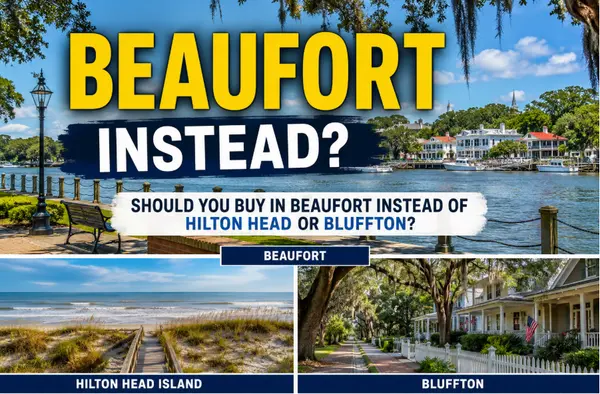
Should You Buy in Beaufort Instead of Hilton Head or Bluffton?

Hampton Hall vs Hampton Lake: Golf-Centered or Lake-Centered Living?

Multigenerational Living in Bluffton: The Floor Plan Matters More Than the Bedroom Count
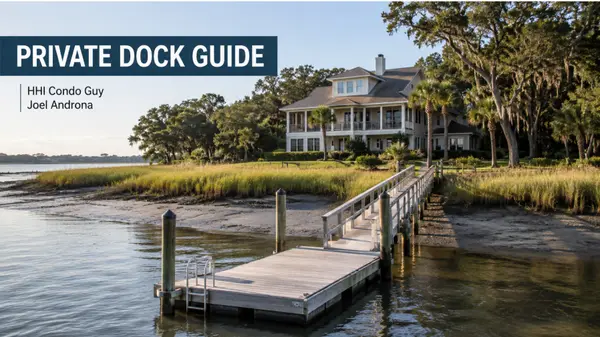
Buying a Lowcountry Home With a Private Dock: What Buyers Need to Verify
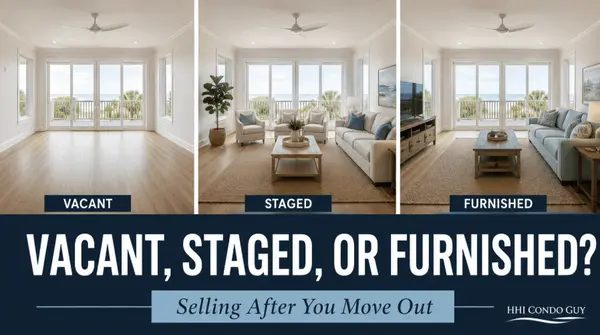
Selling After You Move Out: Vacant, Staged, or Left Furnished?
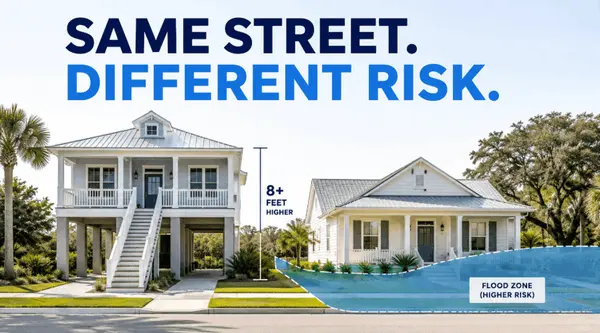
Flood Zone, Elevation, and Insurance: Why the House Next Door Can Carry a Different Risk

Septic vs Sewer in Bluffton and the Lowcountry: What Changes for the Buyer?
Buying a Stucco Home in the Lowcountry: What Buyers Should Investigate
Private Pool vs Community Pool: What Bluffton Buyers Are Really Choosing

Buying a Golf-Course Home When You Do Not Actually Golf